
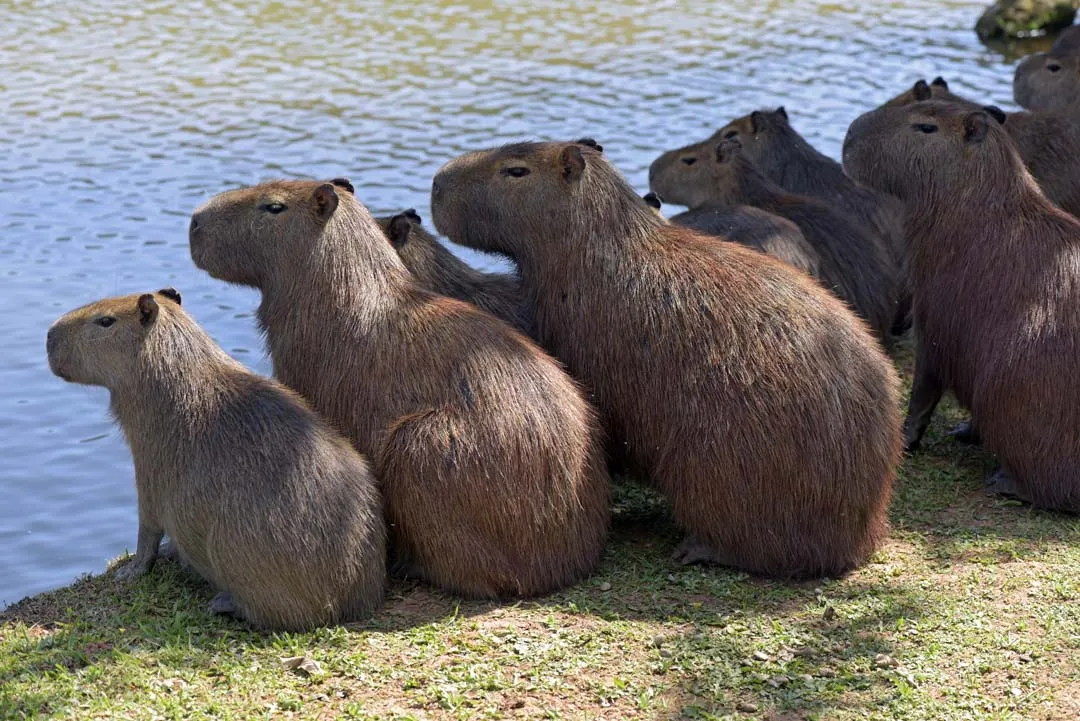
Capybaras have interesting ways of living together in groups. So, what do we call a group of capybaras? These animals love to live together, forming groups of 10-20. These groups have adult males, females, and young ones. When it’s dry, these groups can get really big, up to 50-100 members, all coming together near water. […]
Author Archives: Britney
01
Aug
Aug
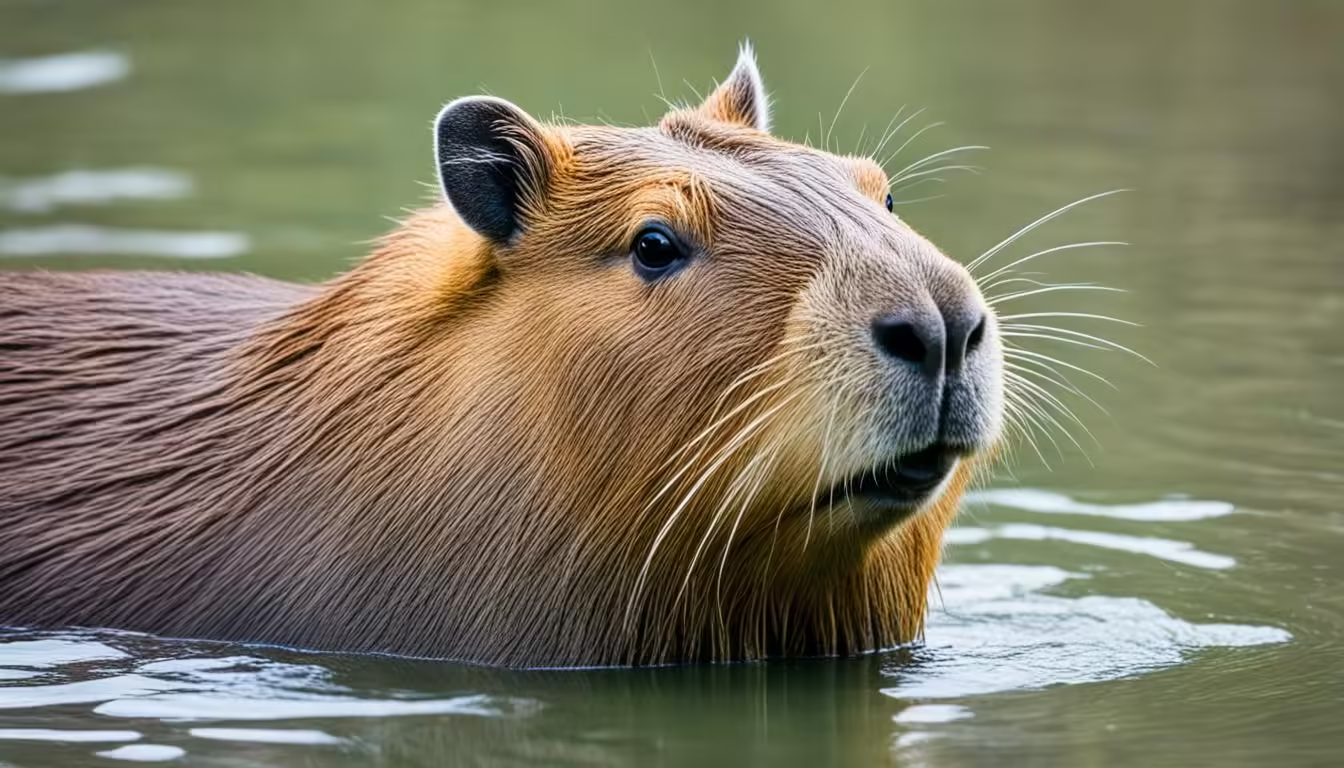
Capybaras, their big size, love for water, and social ways have made them internet stars. Let’s dive into 10 interesting facts about these amazing animals. Key Takeaways Capybaras are the largest rodents in the world, weighing up to 150 pounds and measuring over 4 feet in length. They are semi-aquatic animals, capable of diving and […]
01
Aug
Aug
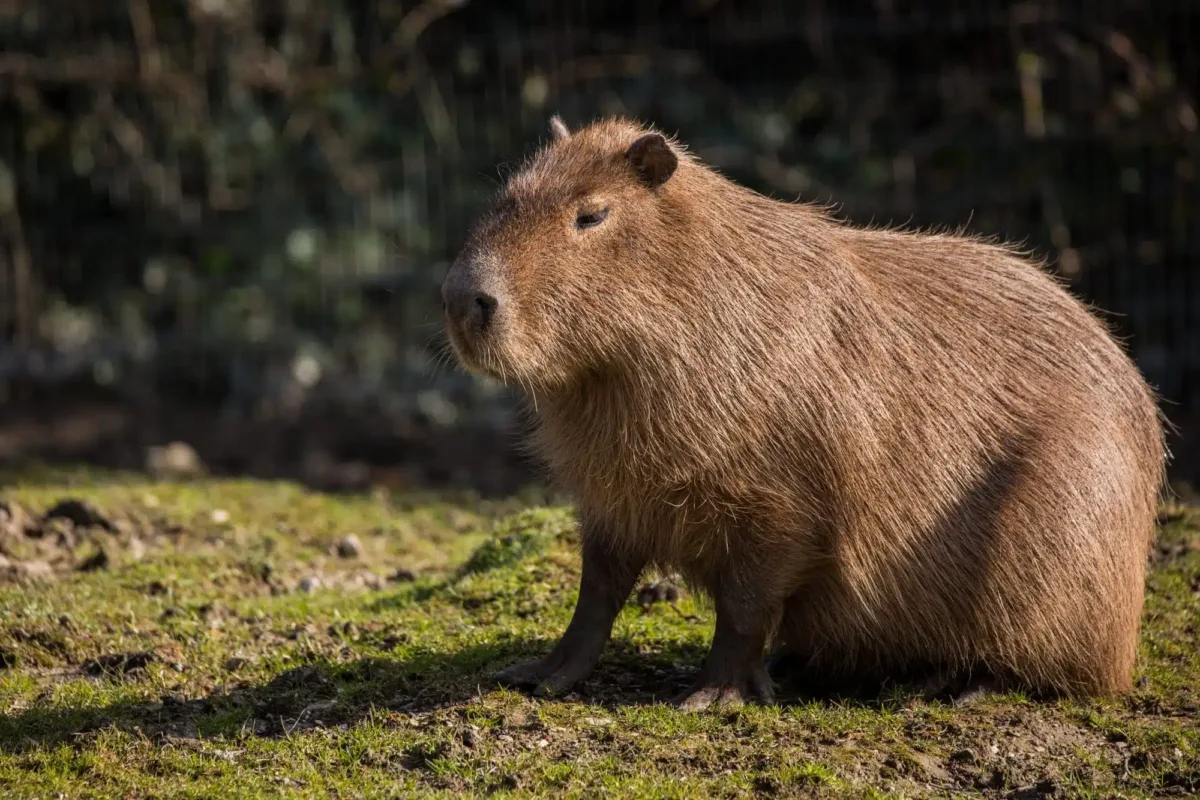
Capybaras are known for their strong build, round faces, and thick fur. Many animals look a bit like capybaras, which can make them hard to tell apart. This guide will look at the rodents and mammals that could be confused with capybaras. Key Takeaways Capybaras are the largest living rodents, native to South America. Several […]
01
Aug
Aug
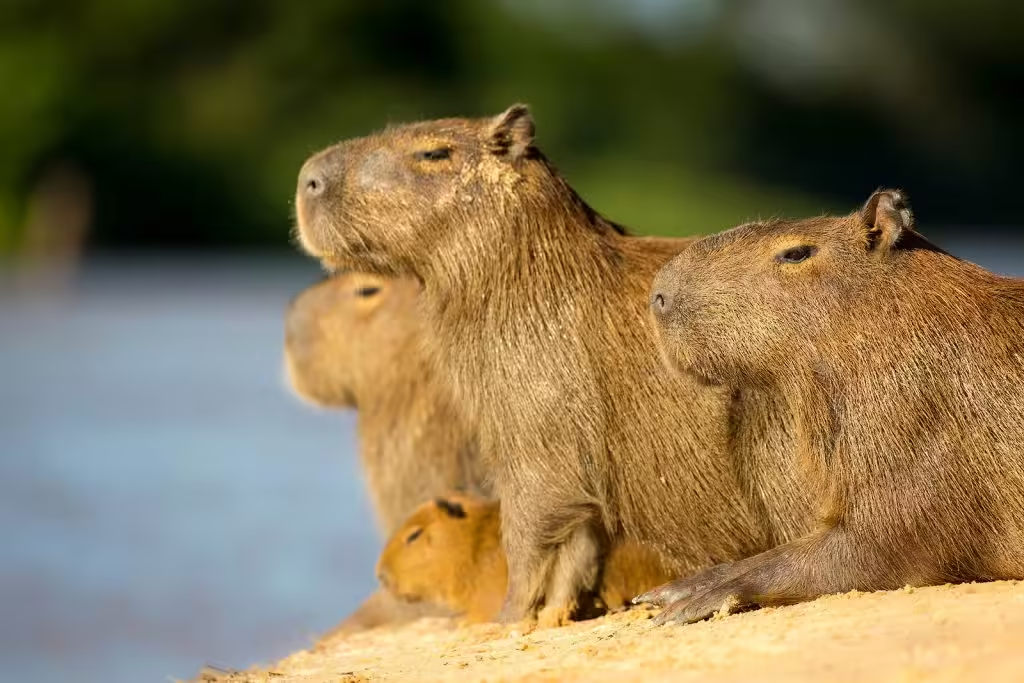
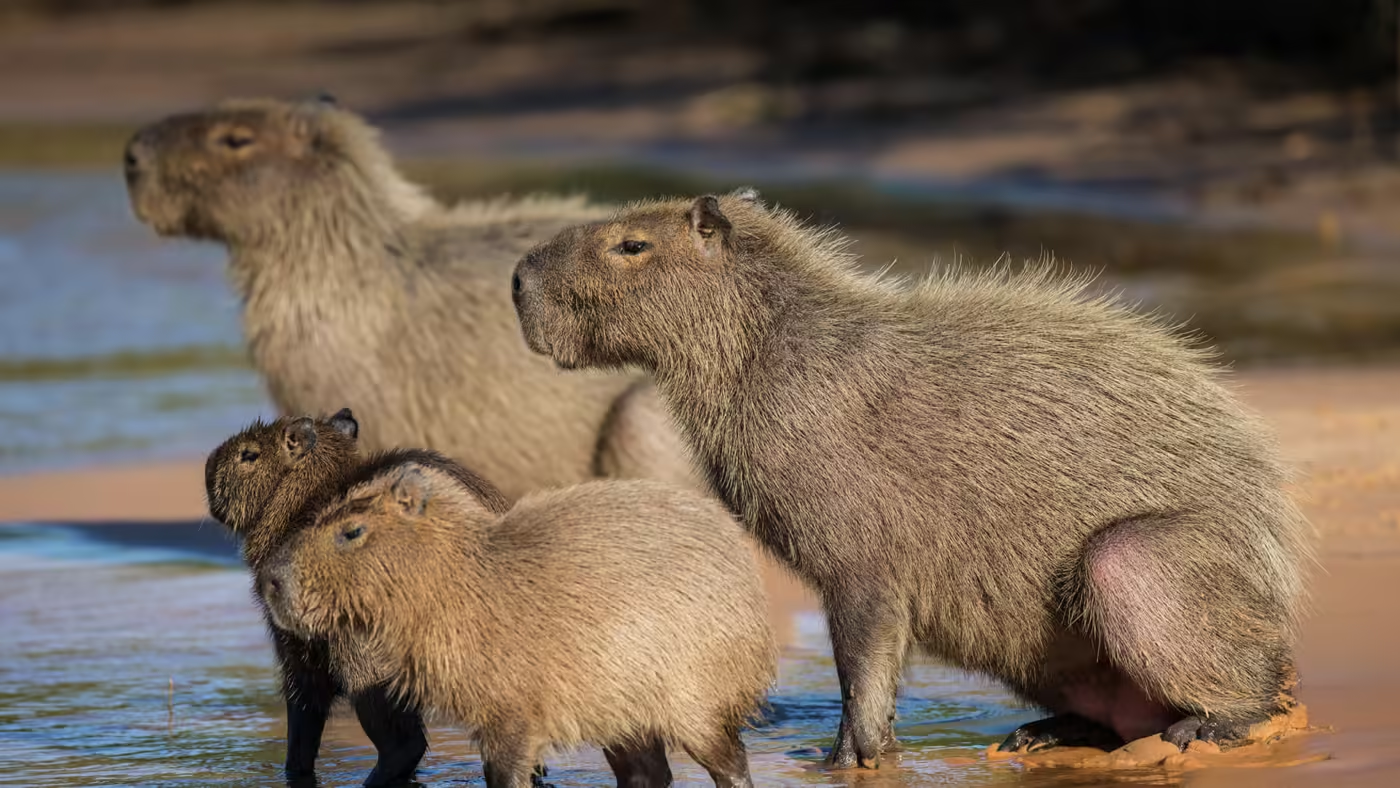
The capybara (Hydrochoerus hydrochaeris) is the biggest rodent on Earth. It can weigh up to 150 pounds and reach lengths of 4.4 feet. This makes it twice as big as North American beavers. These gentle creatures live in South America. They prefer forests near rivers, lakes, swamps, and marshes. Capybaras are very social and love […]
01
Aug
Aug
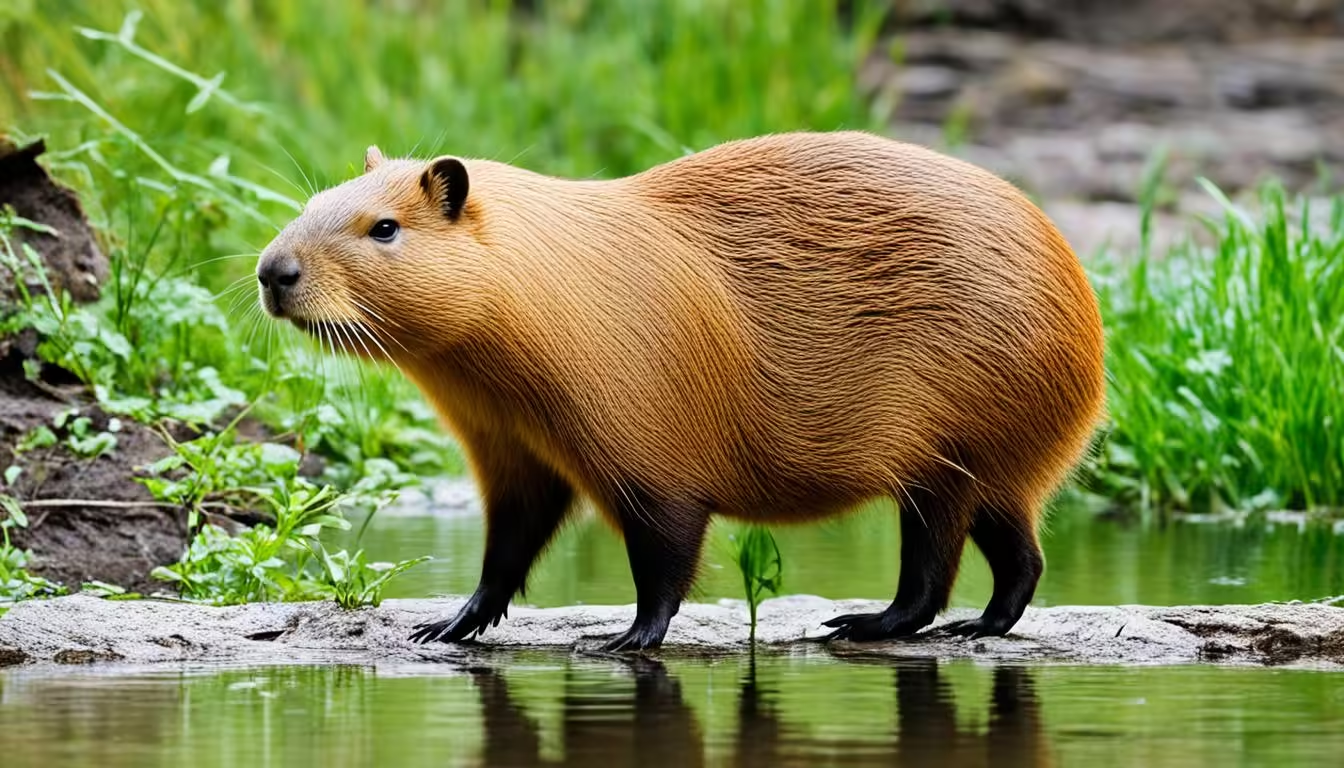
Many people think the capybara is from Africa, but it’s not. These huge rodents call South America home, especially the Pantanal region of Brazil. They also live in parts of Colombia, Venezuela, Peru, Argentina, and Uruguay. Being the biggest rodents alive, they love the water and live near rivers, lakes, and swamps. Key Takeaways Capybaras […]
01
Aug
Aug
Key Takeaways Capybaras face a variety of natural predators, including jaguars, piranhas, ocelots, pumas, eagles, vultures, foxes, wild dogs, and anacondas. Despite their large size, capybaras are not typically targeted by crocodiles, as the two species occupy different habitats and have different prey preferences. Illegal hunting and habitat loss due to agricultural expansion are two […]