
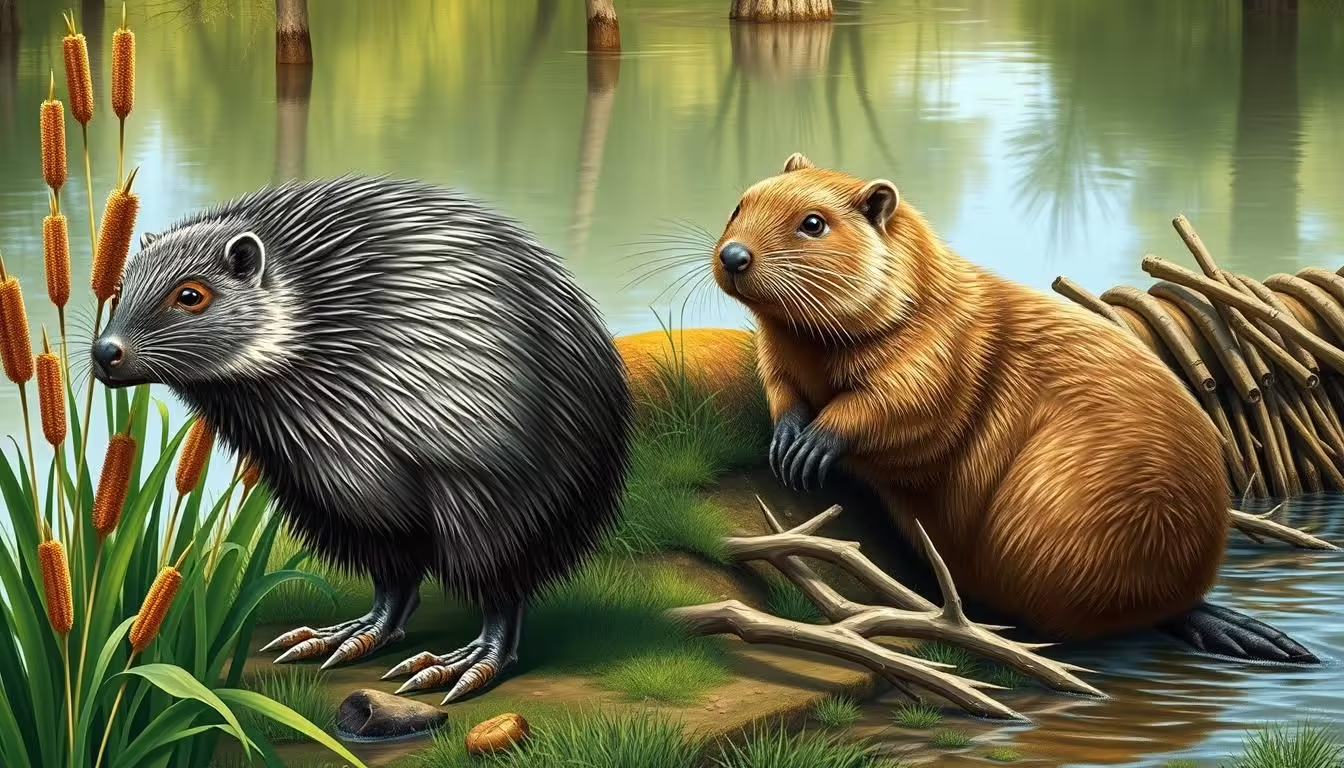
Nutria (Myocastor coypus) and beavers are large, semi-aquatic rodents often confused with each other. They share some physical traits but have clear differences. Knowing these differences is not just interesting but also vital for wildlife management and conservation. Key Takeaways Nutria are smaller than beavers but larger than muskrats, weighing up to 20 pounds with […]
Author Archives: Sharon
10
Nov
Nov
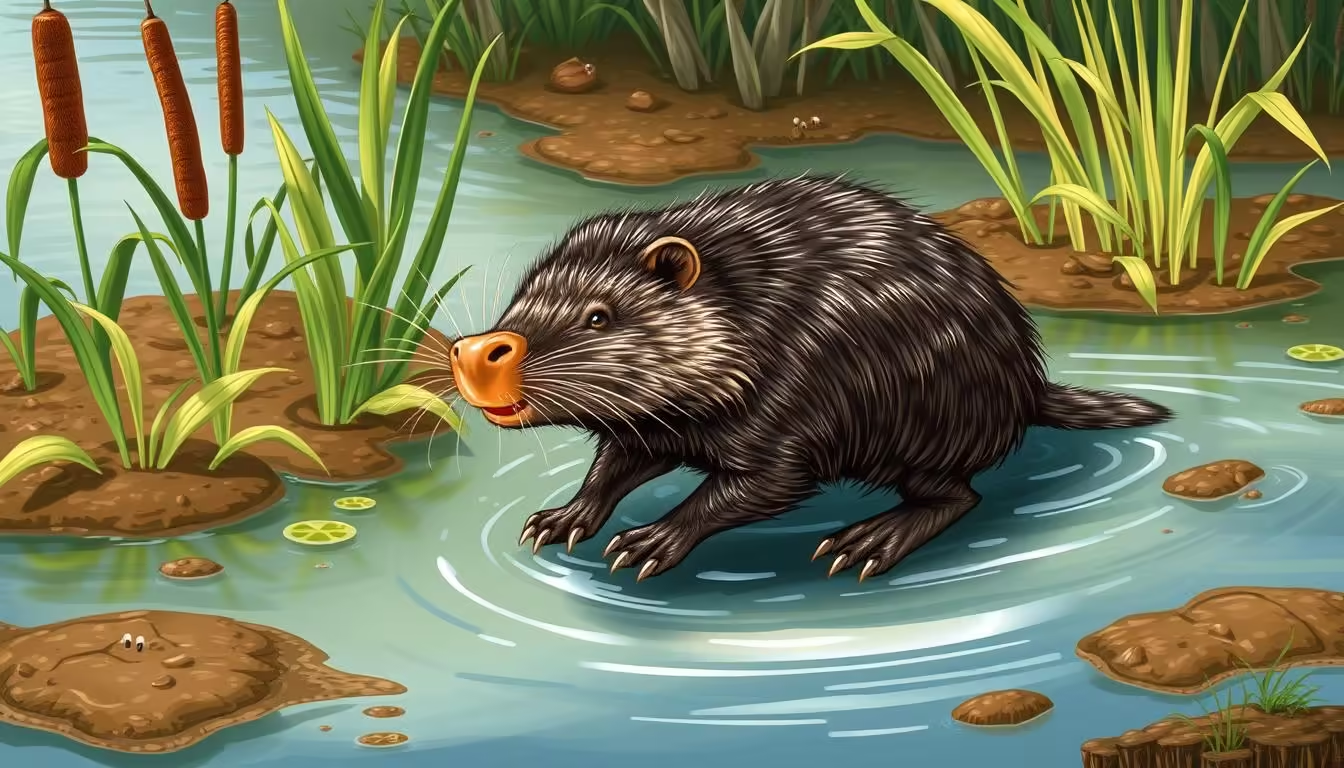
Nutria (Myocastor coypus) are large, semi-aquatic rodents from South America. They were brought to the United States in 1889 for fur farming. Now, they are an invasive species in at least 20 U.S. states. The International Union for Conservation of Nature (IUCN) lists them as one of the 100 worst invasive species. These rodents are […]
10
Nov
Nov
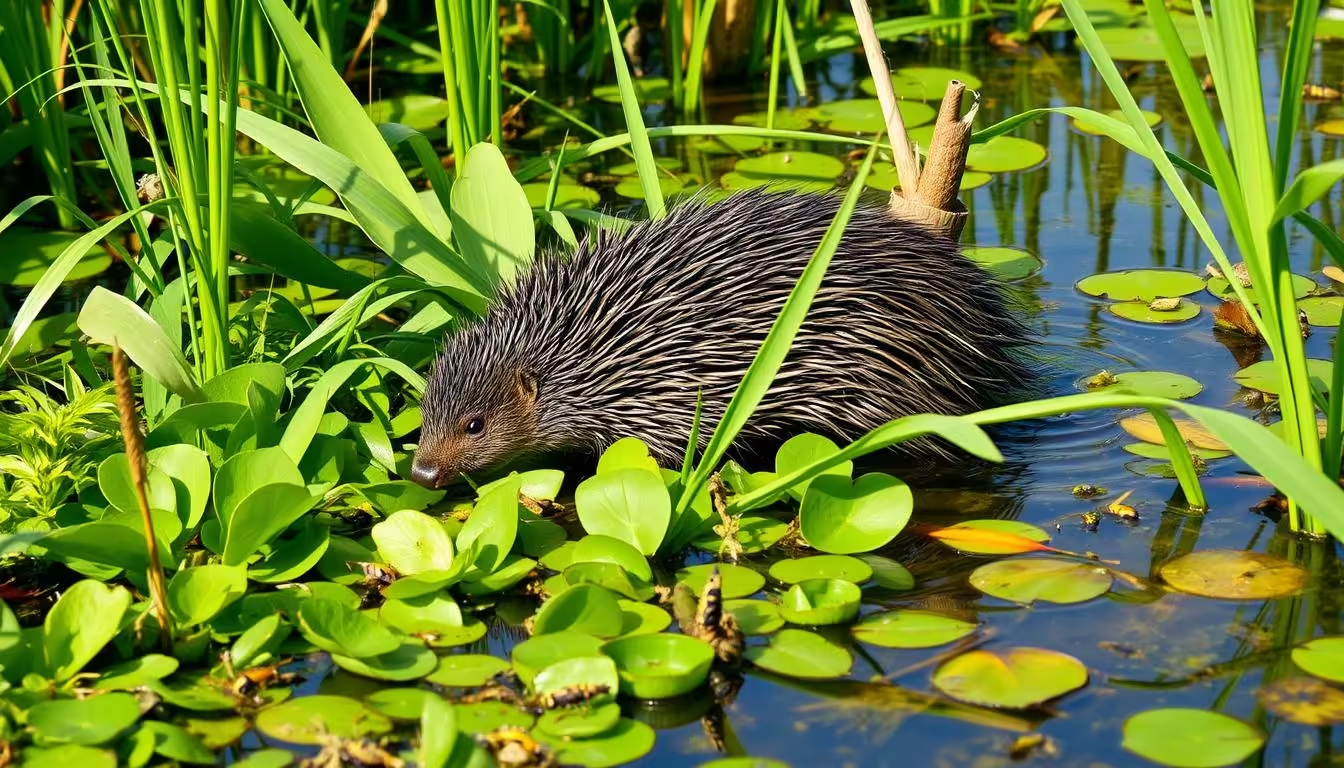
Nutrias mainly eat plants and vegetation, like cordgrasses and bulrushes. They also eat insects, mussels, and crustaceans sometimes. This diet helps them grow fast and have many babies, as their young can eat right after birth. The damage nutrias do to the environment is huge. They eat a lot and burrow into the ground, destroying […]

10
Nov
Nov
In the Gulf Coast states, nutria are most common. They also cause issues in the southeastern states, the Pacific Northwest, and along the Atlantic coast. Their big appetite and fast breeding harm native plants, crops, and wetlands. This damage is permanent and affects vital ecosystems. Nutria are now found almost everywhere on earth. Introduced to […]
10
Nov
Nov
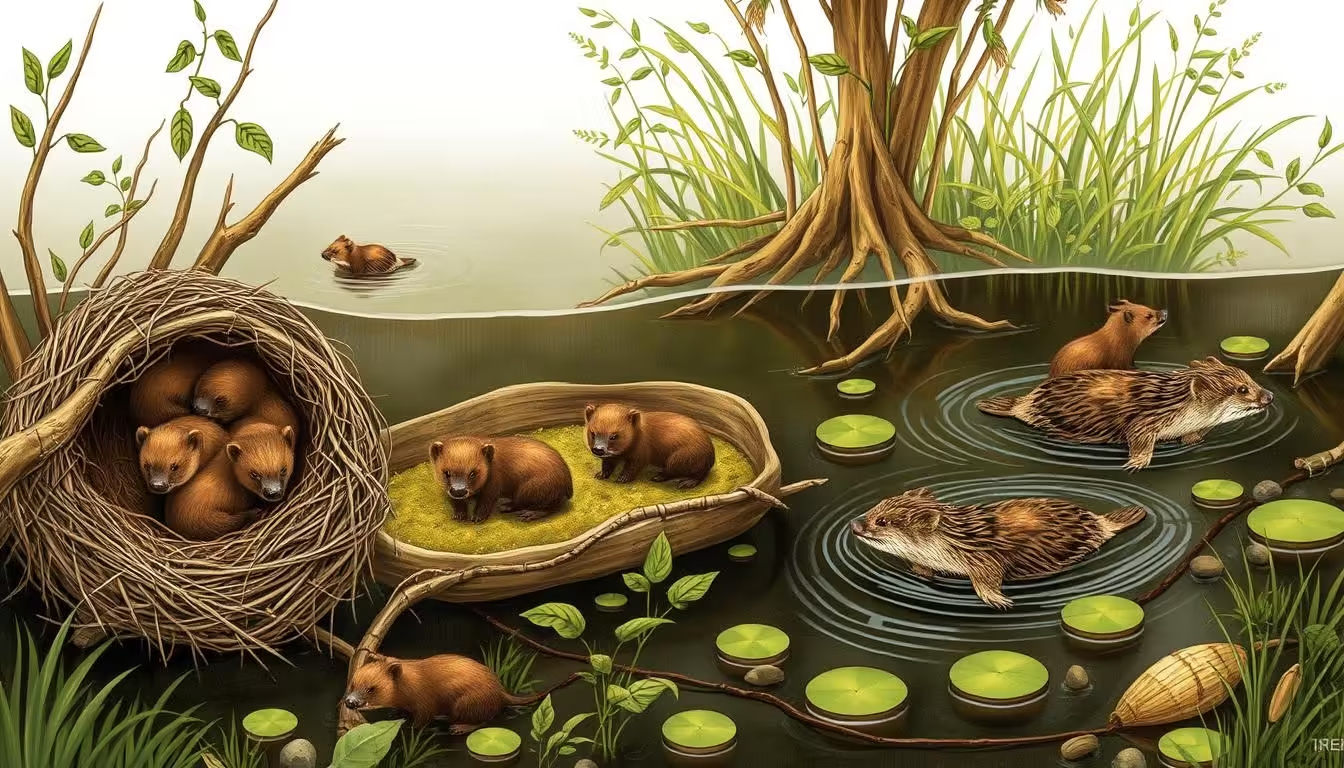
What’s remarkable about nutria is their high reproductive rate. Female nutria can have multiple litters each year. The nutria lifecycle is fast, with the young growing quickly. They go from being precocial kits to sexually mature adults in just a few months. Knowing about their life stages helps us understand their biology, behavior, and how […]

10
Nov
Nov
We’ll cover identifying Nutria, monitoring, and using a mix of control methods. By using habitat changes, exclusion, trapping, and chemicals, we can fight this invasive species and lessen its harm. Key Characteristics of Nutria Nutria are bigger than muskrats but smaller than beavers. They can have up to three litters a year. Their webbed hind […]