
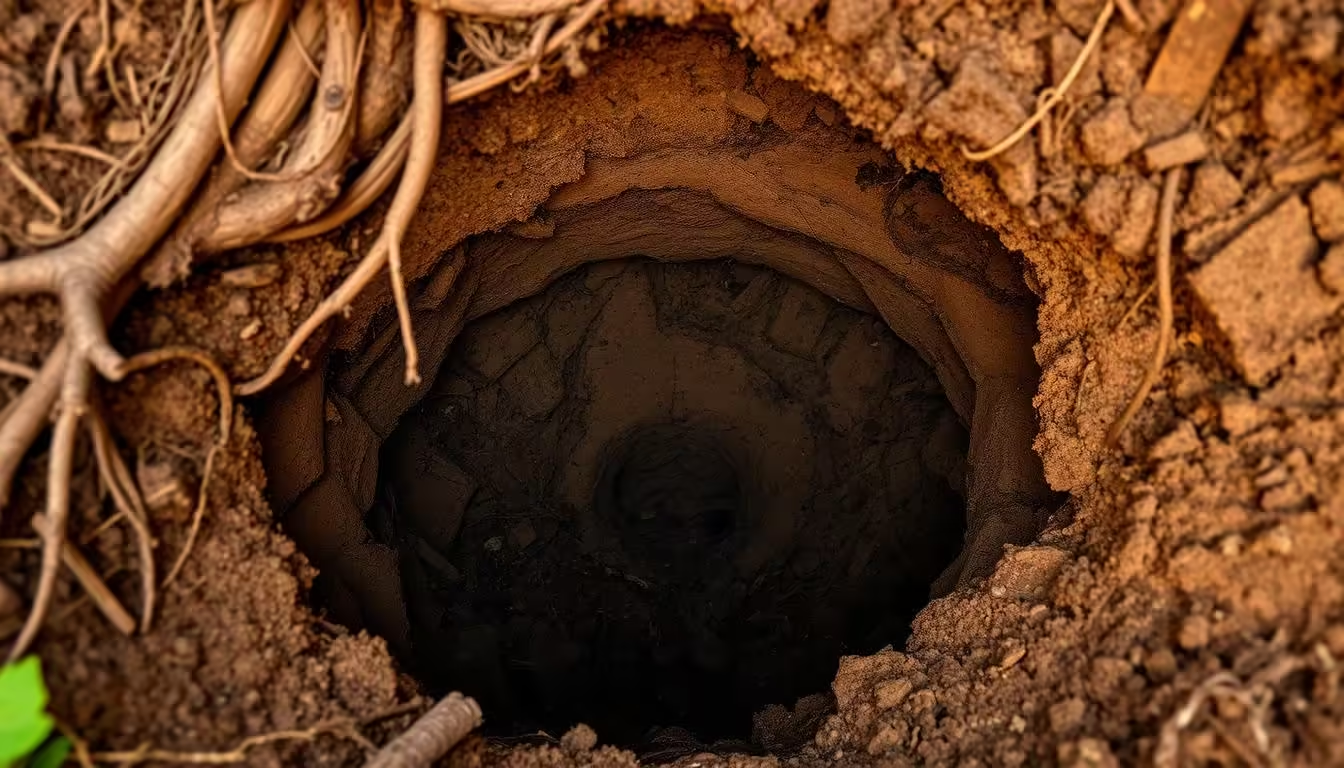
Beneath North America’s lush green landscapes, a hidden network of underground structures exists. These are the burrows of the captivating groundhog. Groundhog burrows are more than just tunnels; they are complex, multi-chambered homes. On average, these burrows are 20 feet wide and 5-6 feet deep. Some can even reach up to 66 feet wide. They […]
Author Archives: Dannella
Exotic Animal
Groundhog Day Explained: The History and Cultural Significance of This Annual Tradition

10
Nov
Nov
Groundhog Day is celebrated on February 2nd. It comes from ancient Celtic and Germanic folklore. The groundhog comes out of hibernation to guess the weather. If it sees its shadow, winter will last six more weeks. But if it doesn’t see its shadow, spring will come sooner. This tradition was started in America by German […]
10
Nov
Nov
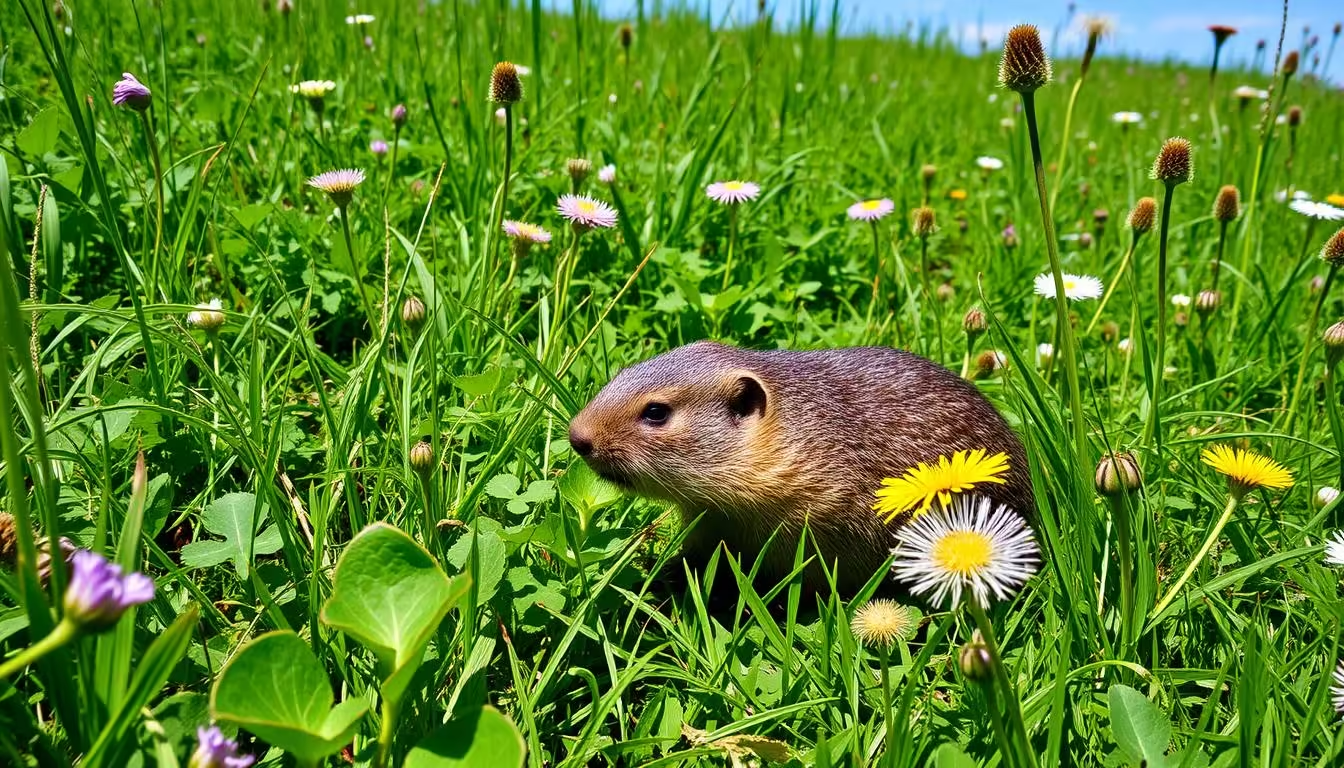
Groundhogs, also known as woodchucks or whistle pigs, belong to the squirrel family. They can weigh between 4 and 14 pounds. These herbivorous rodents eat a variety of plants, including grass, garden plants, and soybeans. They also enjoy eating peas, carrot tops, alfalfa, broccoli, and clover. Adult groundhogs can eat up to one-third of their […]
10
Nov
Nov
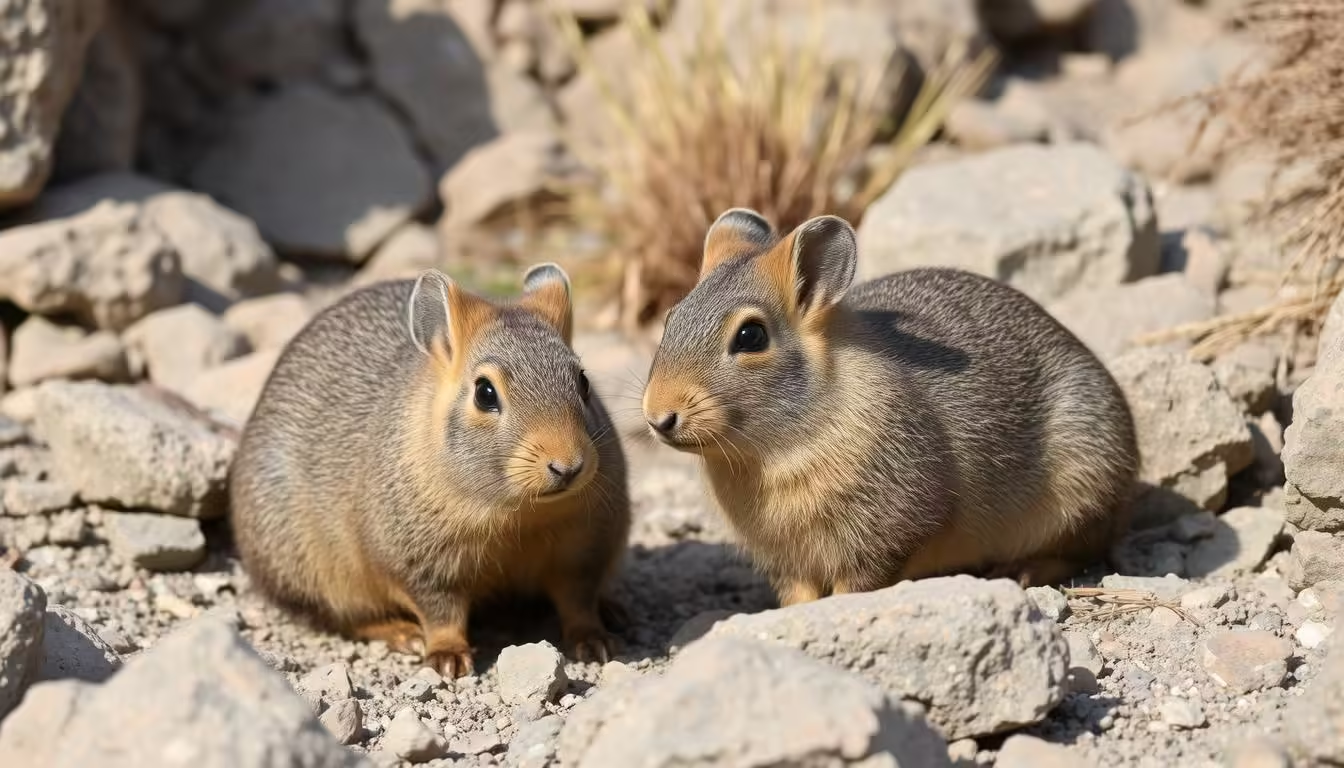
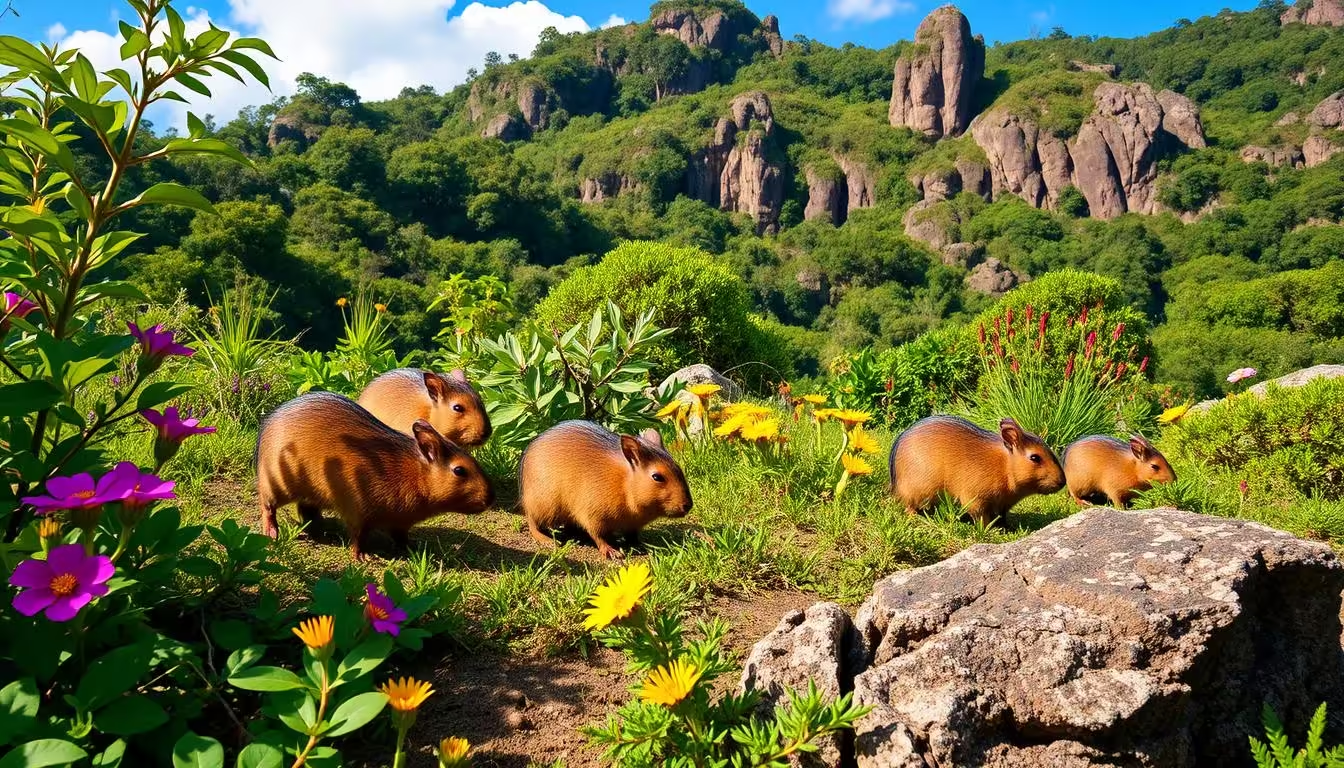
Rock cavies are found in South America’s rugged lands. They are fascinating creatures that many wildlife fans love. But, they are not good pets for homes. They are different from guinea pigs, which are domesticated. Domesticating wild animals is hard. Rock cavies have strong instincts and adapt well to their natural homes. Moving them to […]
10
Nov
Nov
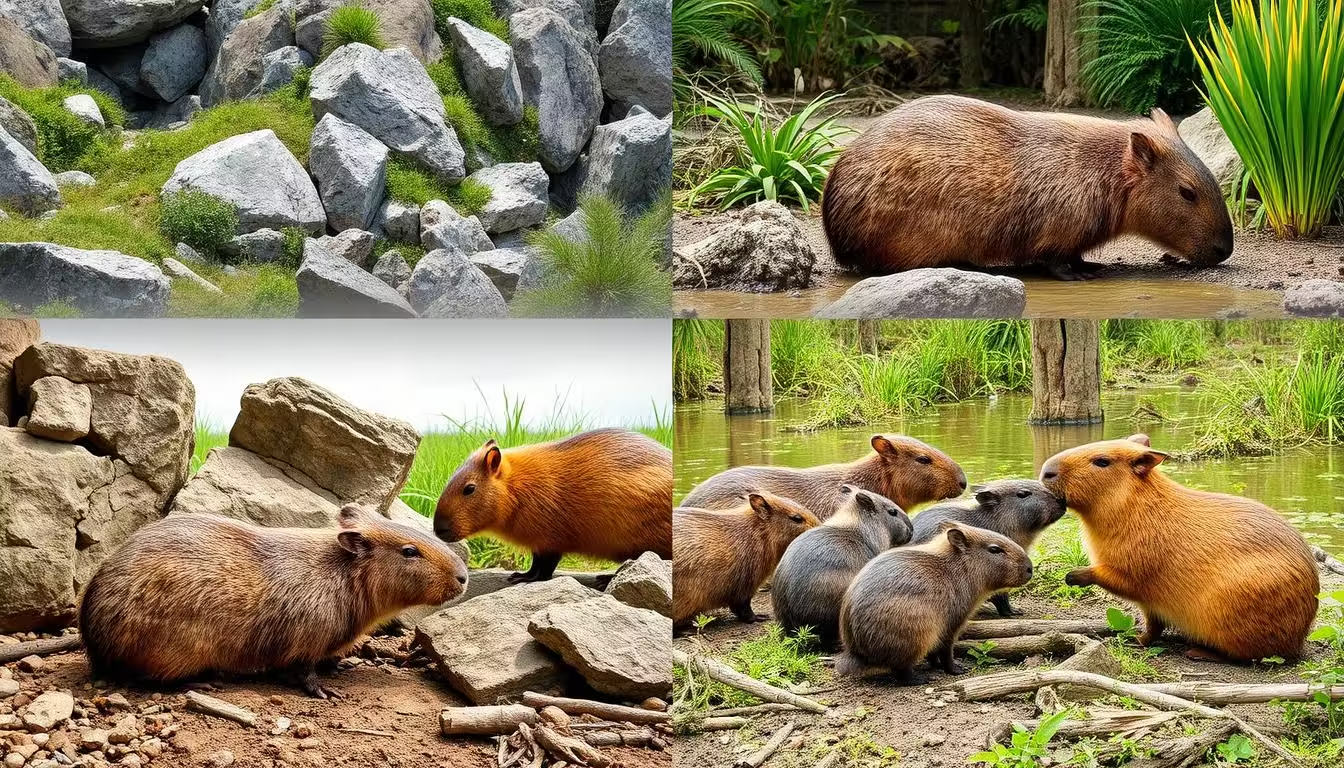
Rock cavies and capybaras belong to the Caviidae family and are found in South America. Capybaras are the biggest rodents alive, while rock cavies are smaller. They live in different places, like savannas and forests, and are often near water. These rodents are key to their habitats. They have special traits that make them stand […]
10
Nov
Nov
Rock cavies, known scientifically as Kerodon rupestris, are unique rodents from Brazil. They are often called ‘mocó’ in their home country. This name is deeply rooted in culture. This article explores how they got this name and their importance in Brazil. Key Takeaways Rock cavies, or ‘mocó,’ are a species of rodents native to Brazil. […]