
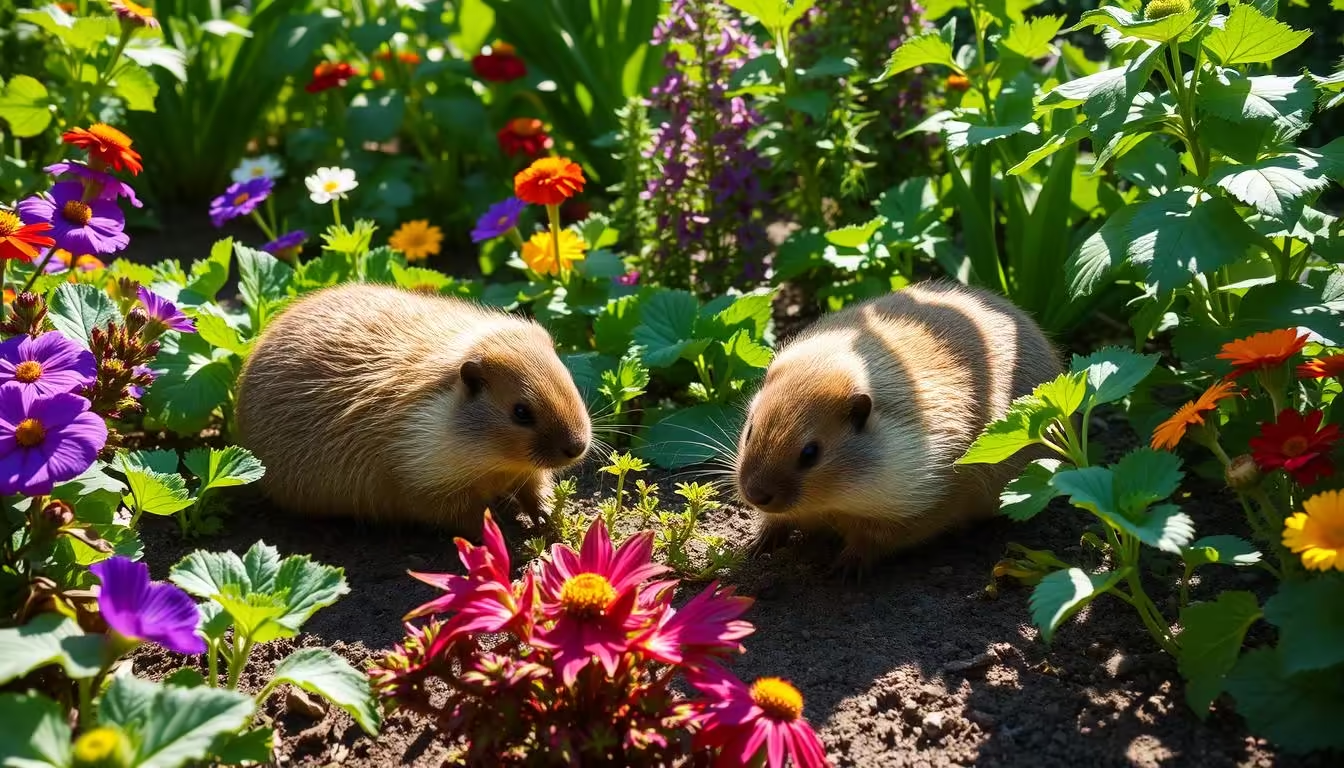
Groundhogs, also known as woodchucks or whistle pigs, are native to North America. They are important in our ecosystem. These herbivores eat over 1.5 pounds of leafy plants every day, especially in summer. Groundhogs are a food source for predators like foxes, bobcats, and eagles. Their burrows also shelter many animals. It’s better to learn […]
Category Archives: Exotic Animal
Exotic animals refer to species that are not native to a particular region or are unusual pets. This category includes many animals such as reptiles, amphibians, birds, and mammals, often kept as pets or displayed in zoos and wildlife parks. Exotic animals can range from parrots and iguanas to tarantulas and sugar gliders. Owning exotic pets usually requires specialized care, habitats, and diets, and they may have unique behavioral and health needs. This category explores the fascinating world of exotic animals, their care requirements, legal considerations, and their roles in conservation and biodiversity.
10
Nov
Nov
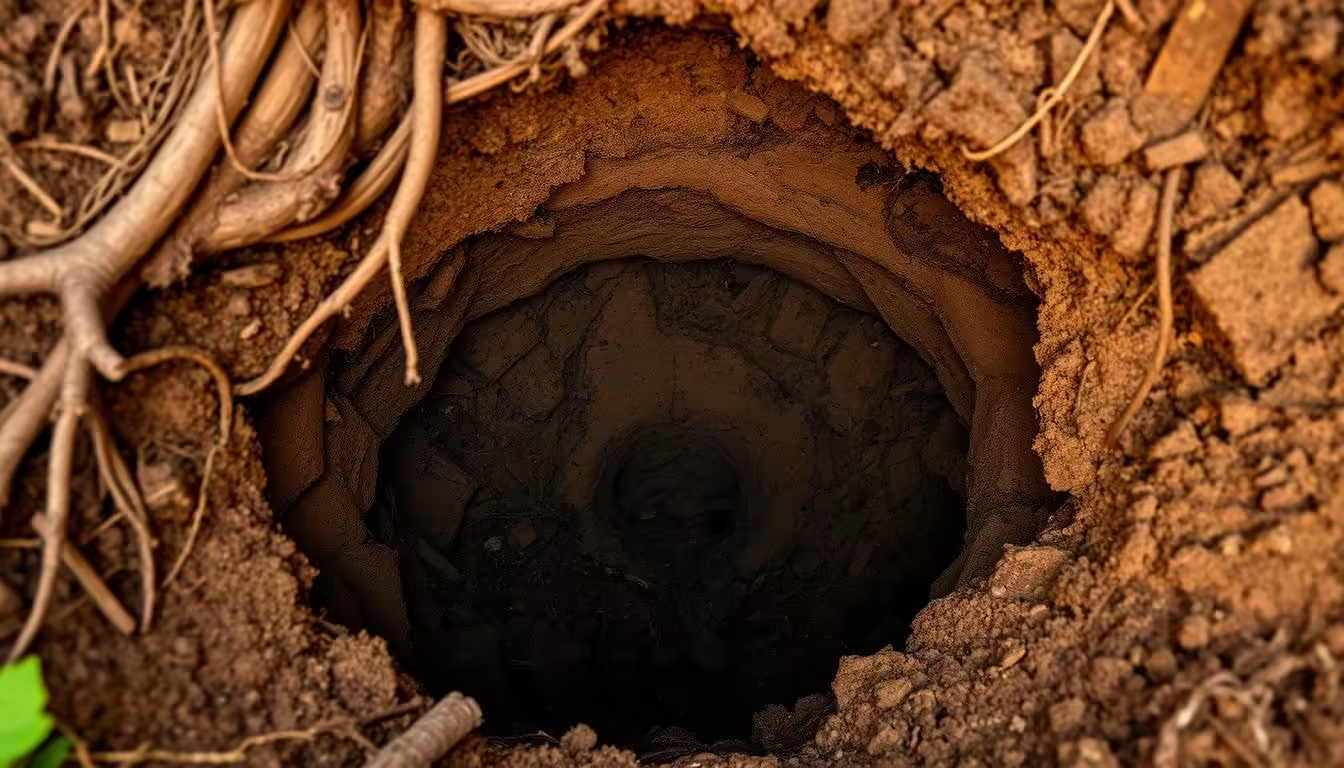
Beneath North America’s lush green landscapes, a hidden network of underground structures exists. These are the burrows of the captivating groundhog. Groundhog burrows are more than just tunnels; they are complex, multi-chambered homes. On average, these burrows are 20 feet wide and 5-6 feet deep. Some can even reach up to 66 feet wide. They […]
Exotic Animal
Groundhog Day Explained: The History and Cultural Significance of This Annual Tradition

10
Nov
Nov
Groundhog Day is celebrated on February 2nd. It comes from ancient Celtic and Germanic folklore. The groundhog comes out of hibernation to guess the weather. If it sees its shadow, winter will last six more weeks. But if it doesn’t see its shadow, spring will come sooner. This tradition was started in America by German […]
10
Nov
Nov
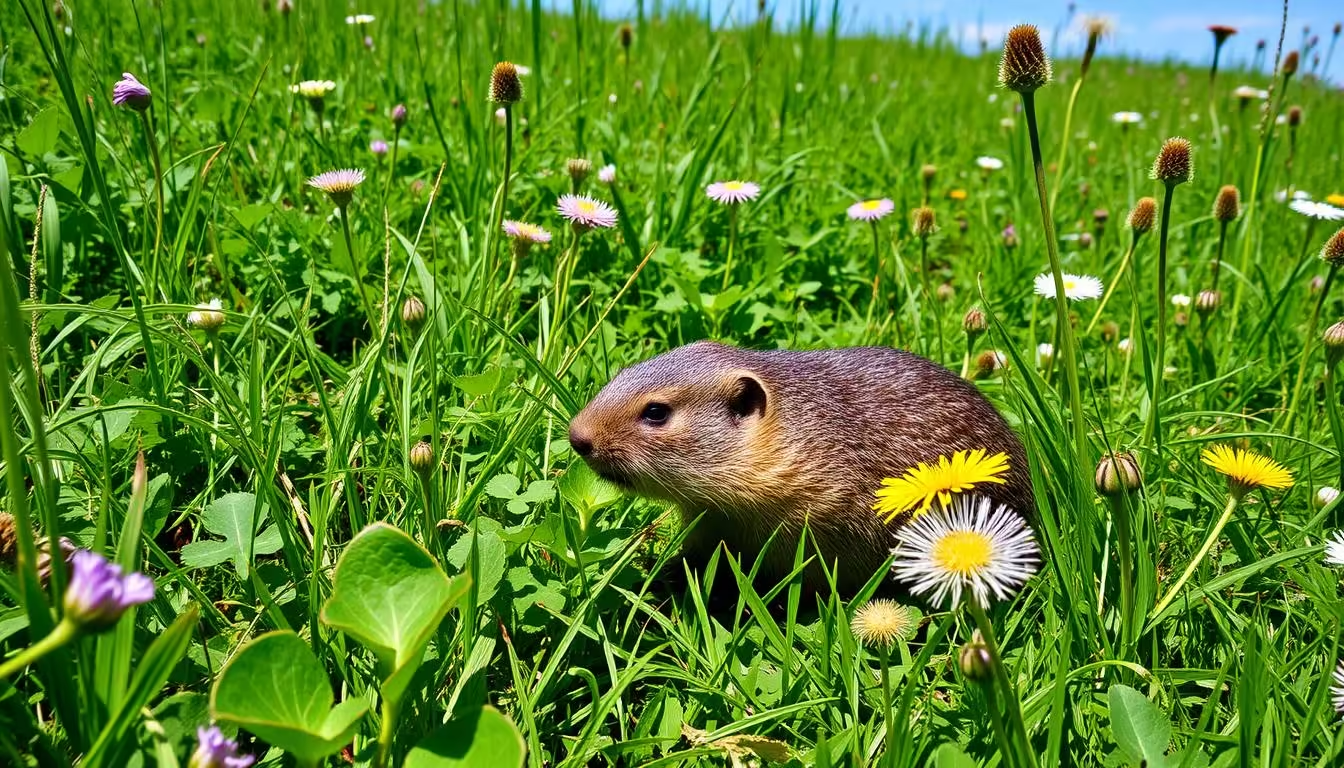
Groundhogs, also known as woodchucks or whistle pigs, belong to the squirrel family. They can weigh between 4 and 14 pounds. These herbivorous rodents eat a variety of plants, including grass, garden plants, and soybeans. They also enjoy eating peas, carrot tops, alfalfa, broccoli, and clover. Adult groundhogs can eat up to one-third of their […]
10
Nov
Nov
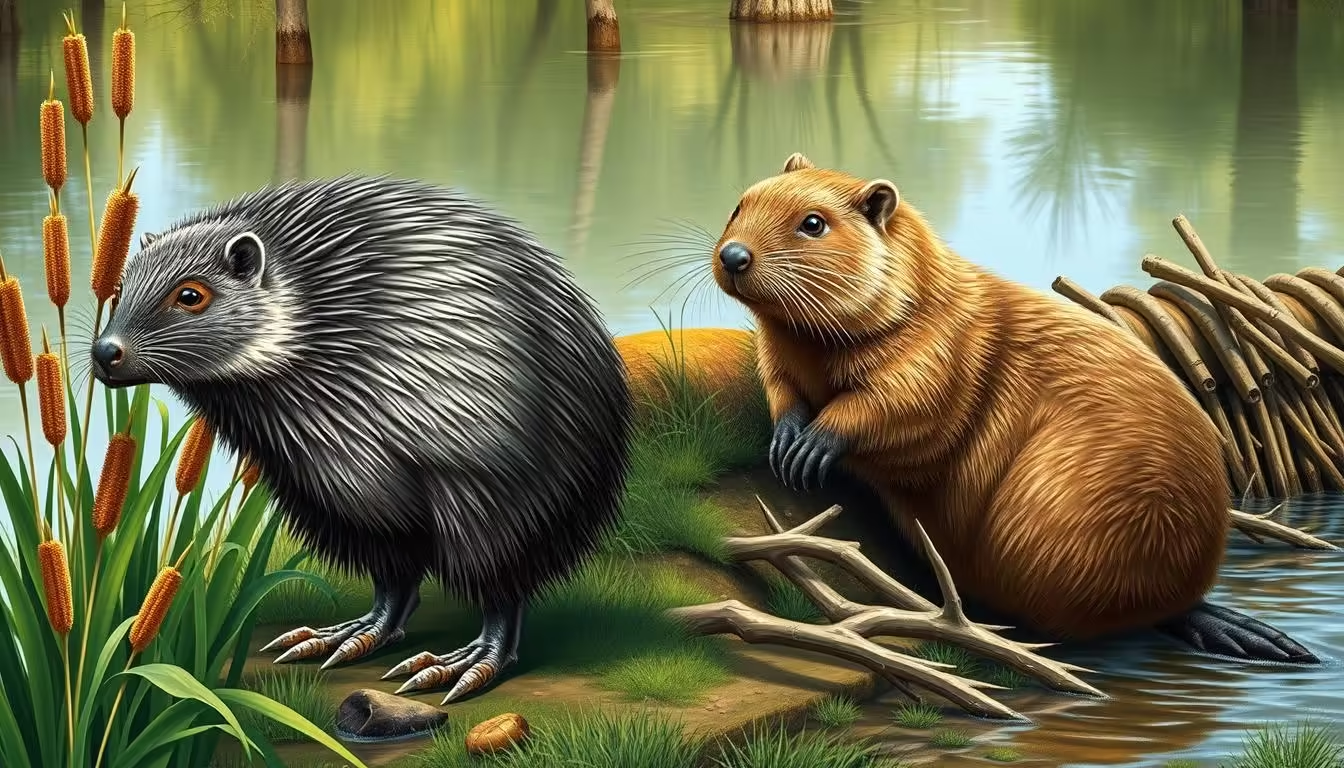
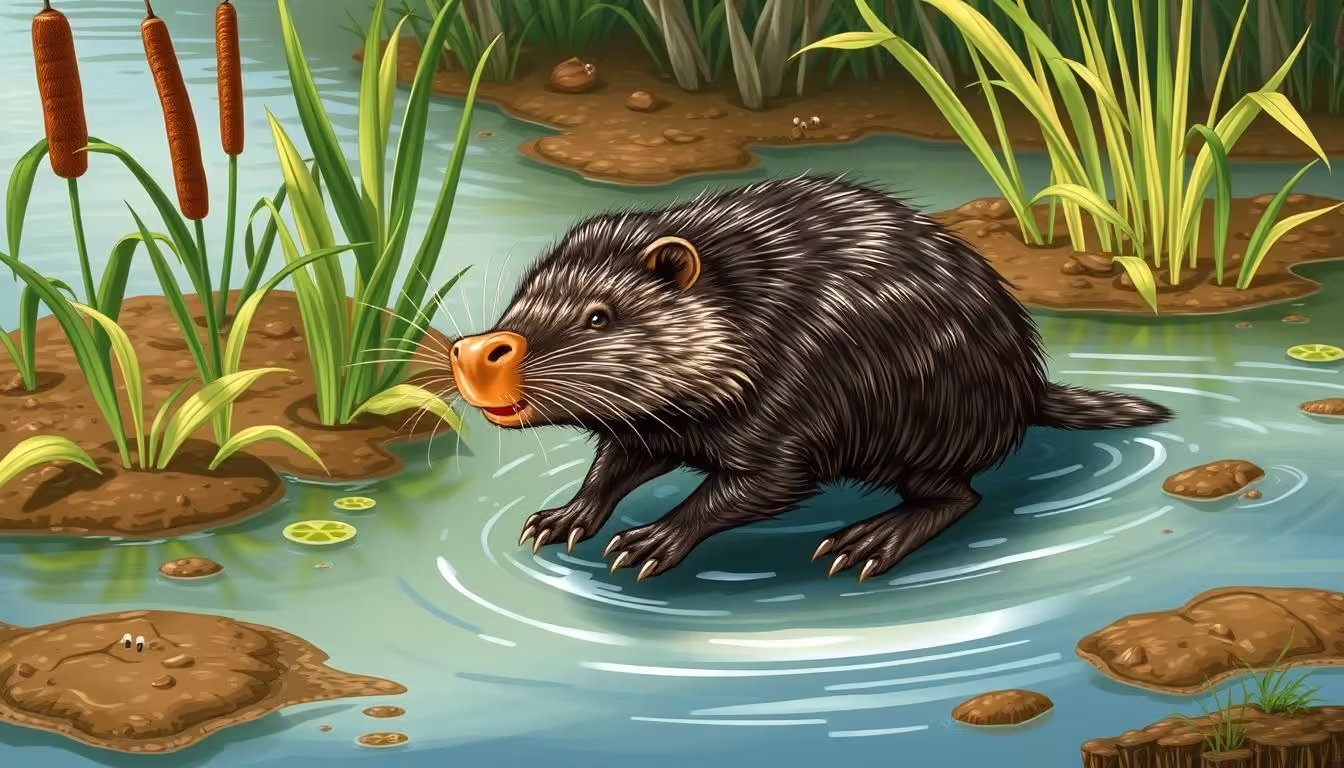
Nutria (Myocastor coypus) and beavers are large, semi-aquatic rodents often confused with each other. They share some physical traits but have clear differences. Knowing these differences is not just interesting but also vital for wildlife management and conservation. Key Takeaways Nutria are smaller than beavers but larger than muskrats, weighing up to 20 pounds with […]
10
Nov
Nov
Nutria (Myocastor coypus) are large, semi-aquatic rodents from South America. They were brought to the United States in 1889 for fur farming. Now, they are an invasive species in at least 20 U.S. states. The International Union for Conservation of Nature (IUCN) lists them as one of the 100 worst invasive species. These rodents are […]