
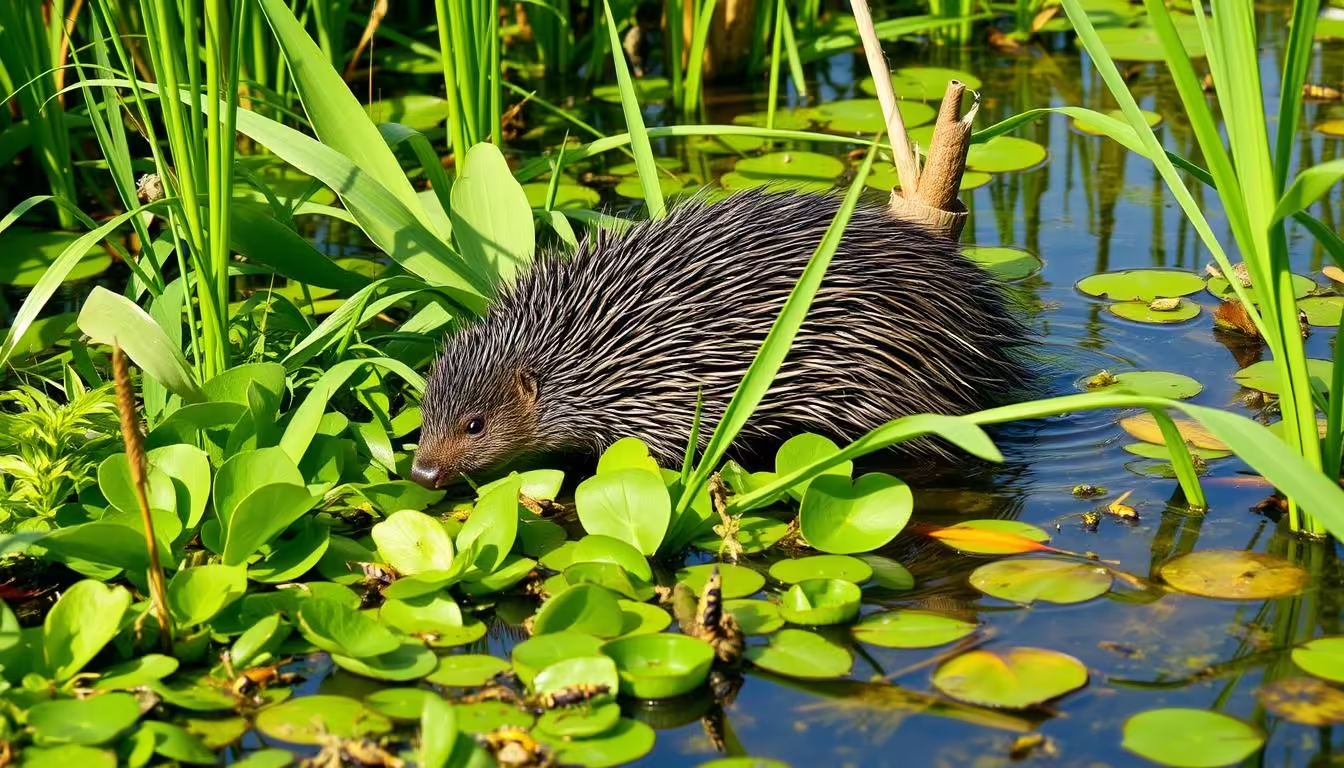
Nutrias mainly eat plants and vegetation, like cordgrasses and bulrushes. They also eat insects, mussels, and crustaceans sometimes. This diet helps them grow fast and have many babies, as their young can eat right after birth. The damage nutrias do to the environment is huge. They eat a lot and burrow into the ground, destroying […]
Category Archives: Exotic Animal
Exotic animals refer to species that are not native to a particular region or are unusual pets. This category includes many animals such as reptiles, amphibians, birds, and mammals, often kept as pets or displayed in zoos and wildlife parks. Exotic animals can range from parrots and iguanas to tarantulas and sugar gliders. Owning exotic pets usually requires specialized care, habitats, and diets, and they may have unique behavioral and health needs. This category explores the fascinating world of exotic animals, their care requirements, legal considerations, and their roles in conservation and biodiversity.

10
Nov
Nov
In the Gulf Coast states, nutria are most common. They also cause issues in the southeastern states, the Pacific Northwest, and along the Atlantic coast. Their big appetite and fast breeding harm native plants, crops, and wetlands. This damage is permanent and affects vital ecosystems. Nutria are now found almost everywhere on earth. Introduced to […]
10
Nov
Nov
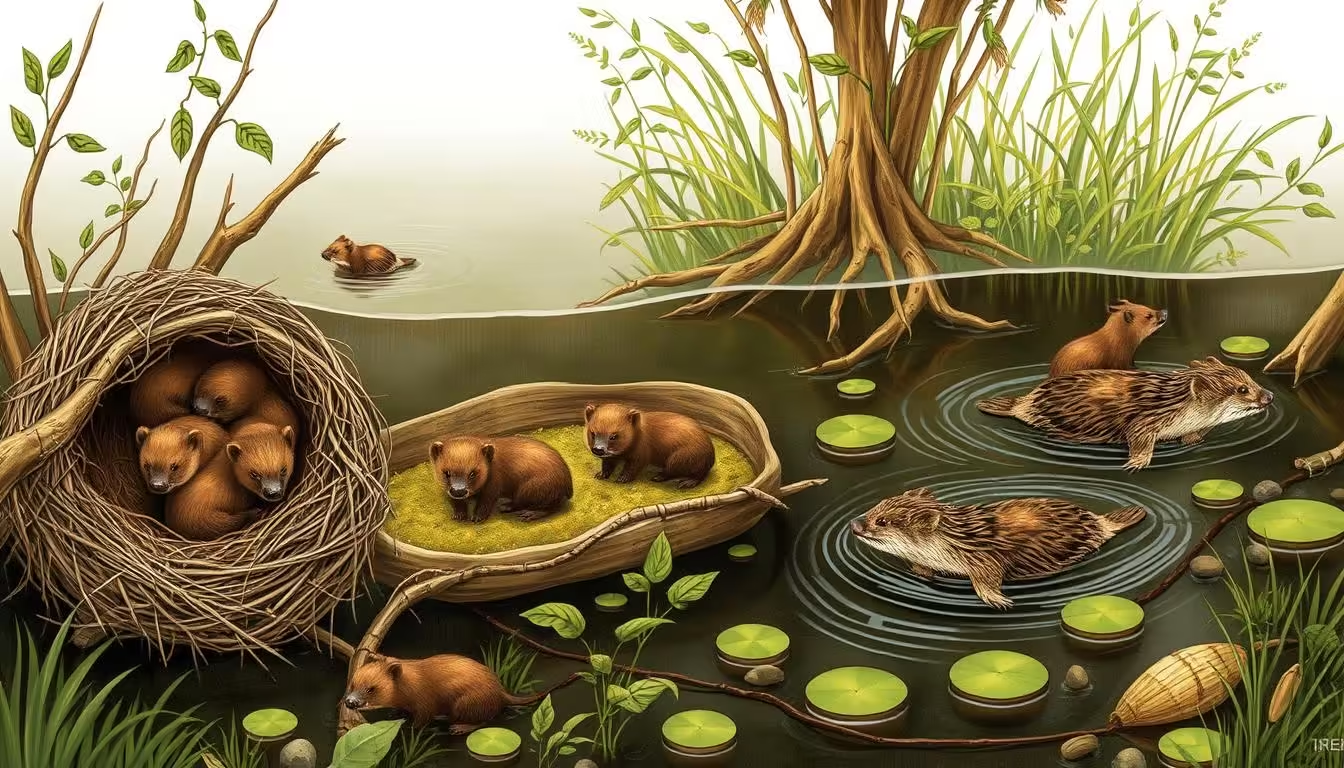
What’s remarkable about nutria is their high reproductive rate. Female nutria can have multiple litters each year. The nutria lifecycle is fast, with the young growing quickly. They go from being precocial kits to sexually mature adults in just a few months. Knowing about their life stages helps us understand their biology, behavior, and how […]

10
Nov
Nov
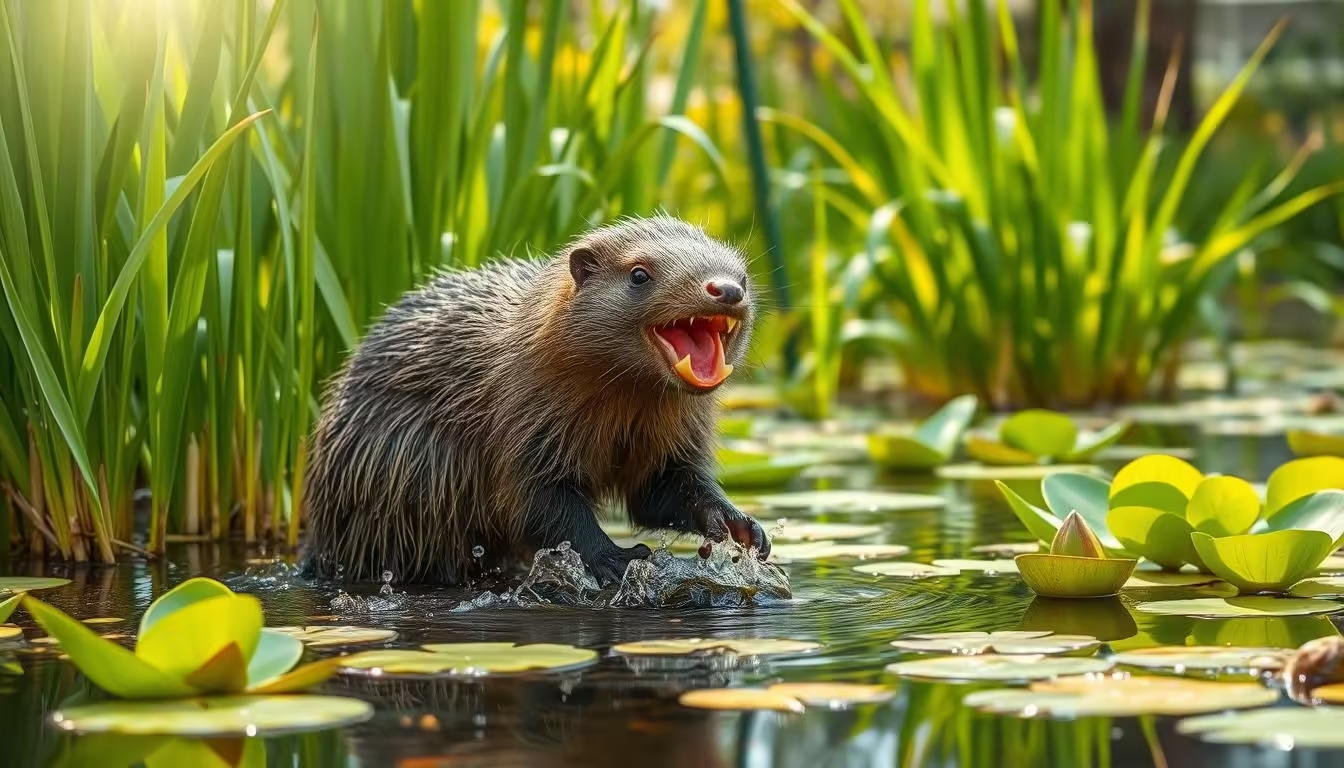
We’ll cover identifying Nutria, monitoring, and using a mix of control methods. By using habitat changes, exclusion, trapping, and chemicals, we can fight this invasive species and lessen its harm. Key Characteristics of Nutria Nutria are bigger than muskrats but smaller than beavers. They can have up to three litters a year. Their webbed hind […]
10
Nov
Nov
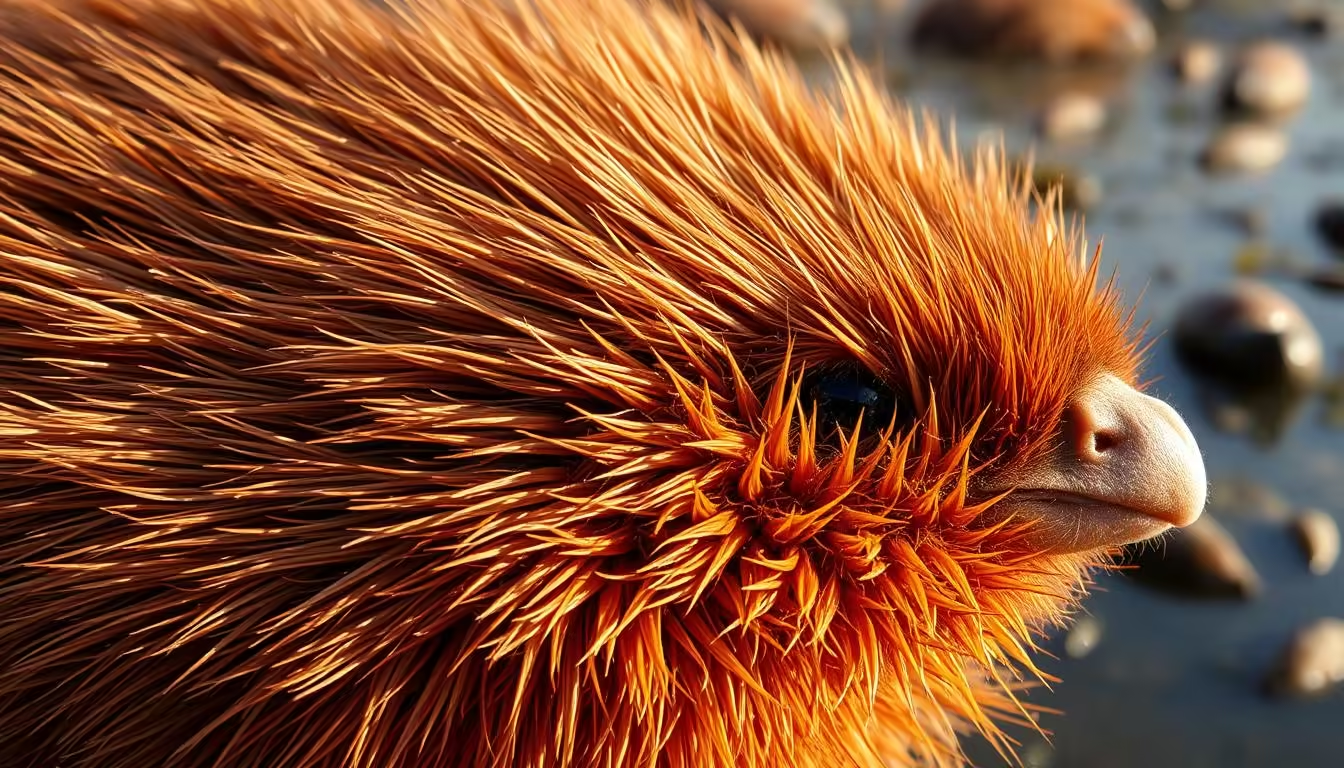
Another cool fact is how big nutria can get. They can weigh up to 37 pounds and be 16-24 inches long, plus a 12-18 inch tail. Their coarse brown fur on the outside and soft gray fur on the inside are very valuable in the fur trade. This makes nutria important in the wildlife economy […]
10
Nov
Nov
The fur trade’s growth has sparked controversy. While the industry once made millions, public views on fur have changed. Animal rights groups and environmentalists now oppose using nutria fur, citing the damage and ethical issues with fur farming. Key Takeaways Nutria, a semi-aquatic rodent, were introduced to the U.S. in 1889 for their valuable fur, […]