

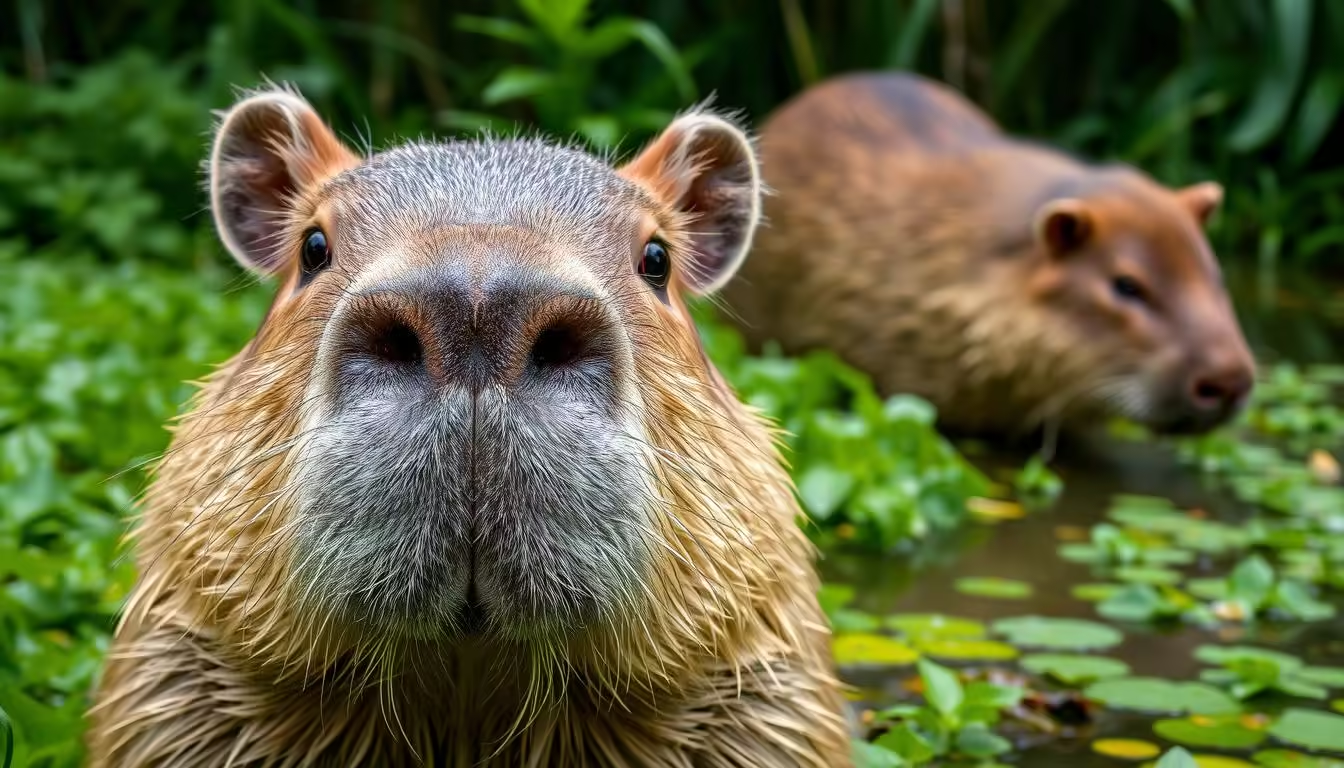
Capybaras have unique ways to communicate. They use sounds, body language, and gestures to talk to each other. Knowing how they communicate helps us understand their social lives, how to protect them, and their behavior. Capybaras make many different sounds, like high-pitched whistles and low-pitched grunts. Each sound means something different. They use these sounds […]
Tag Archives: Capybara behavior
02
Nov
Nov
Capybaras need careful attention and observation as exotic pets. Spotting health problems early is key to their well-being. It’s important for owners to know what’s normal for their capybara. This way, they can quickly notice any changes. Signs of health issues include a bad coat, loss of appetite, and being very tired. Also, changes in […]

02
Nov
Nov
Capybaras size of these groups changes based on where they live and how many there are. Their social bonds are key to their survival. They touch, groom, scent mark, and vocalize to stay connected. This connection might help them live longer. Key Takeaways Capybaras are highly social animals that live in groups ranging from 6 […]

01
Aug
Aug
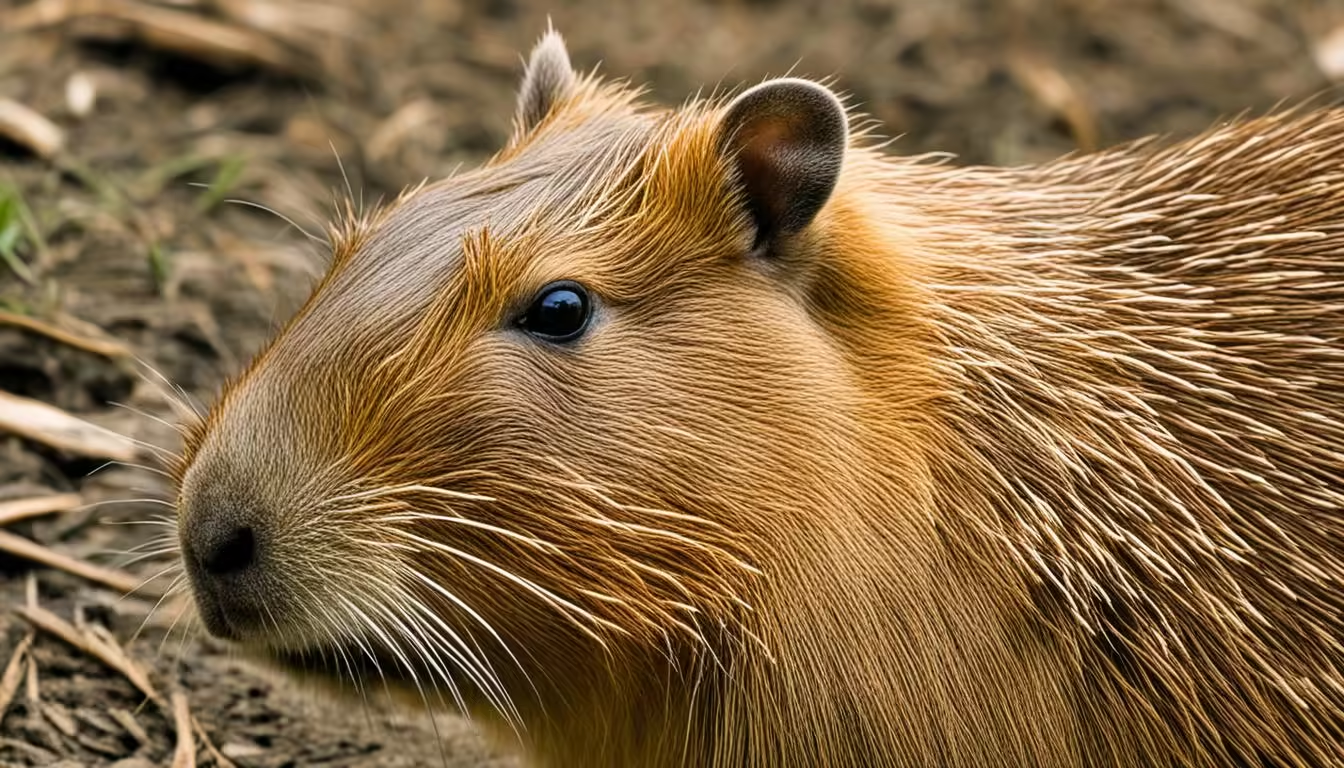
They love to relax in the sun and make friends with other animals. This article will tell you more about what capybaras like to do. It will show you why they are so interesting and special. Key Takeaways Capybaras are the world’s largest rodents, found in Central and South America. They are known for their […]
01
Aug
Aug
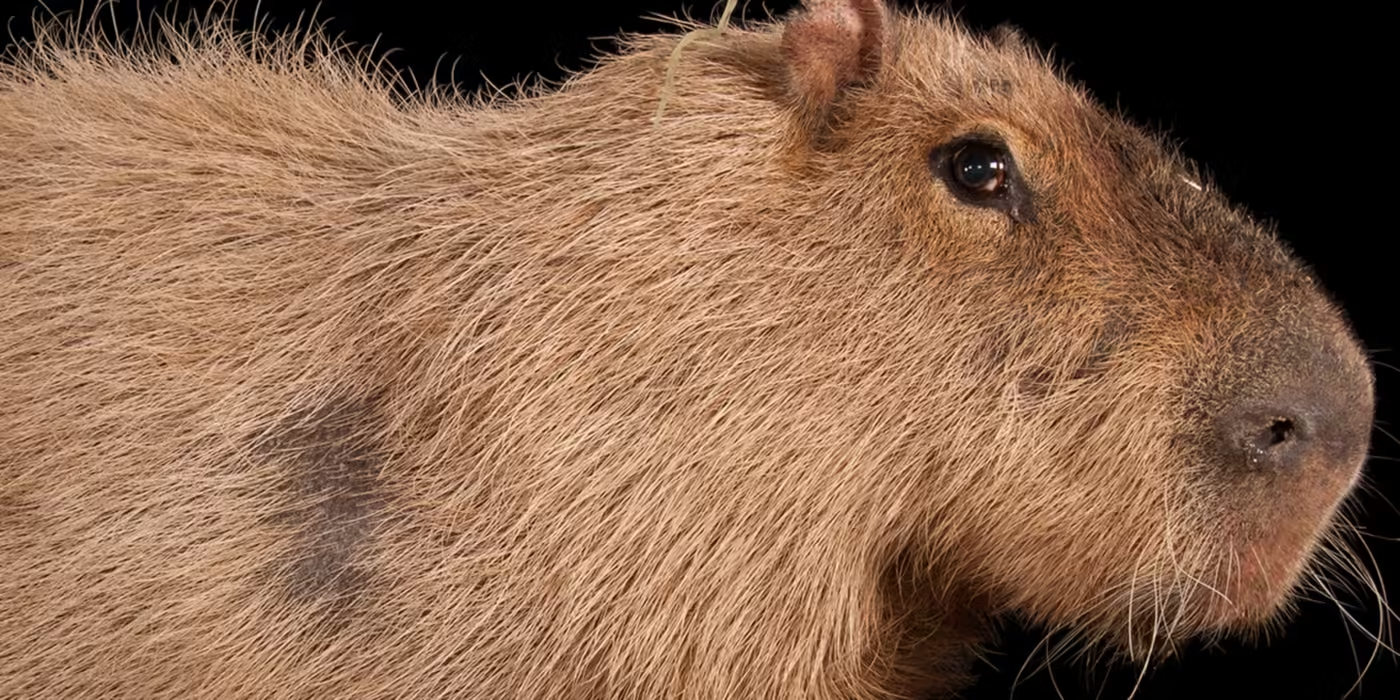
Capybaras carry many parasites. These semi-aquatic mammals live in South America. They face threats from both inside and outside parasites like helminths and ticks. As their homes get closer to human areas, knowing about their parasites is key. This knowledge helps prevent diseases and manage wildlife. Key Takeaways Capybaras, the world’s largest rodents, are known […]
01
Aug
Aug
Capybaras, are semi-aquatic and carry diseases that can spread to humans. These diseases include Rocky Mountain spotted fever, leishmaniasis, leptospirosis, and rabies. It’s important to know about these health risks for public health and wildlife. Capybaras are big rodents that live in groups. They can be found in places where humans are around, like parks. […]
- 1
- 2