

Capybaras, the world’s largest rodents, live in Central and South America. Their lifespan changes a lot depending on where they live. Knowing what affects capybara lifespan is key for those who want to keep them as pets or help protect them. In the wild, wild capybaras usually live 4 to 8 years, averaging 6 years. […]
Tag Archives: Capybara care

01
Feb
Feb
Capybaras are often seen as friendly and social. But it’s important to know about their risks and safety. This article will look into whether capybaras can be harmful, their defense strategies, and how they interact with humans. By the end, you’ll know how to stay safe around these amazing animals. Key Takeaways Capybaras are seen […]

02
Nov
Nov
Capybaras need careful attention and observation as exotic pets. Spotting health problems early is key to their well-being. It’s important for owners to know what’s normal for their capybara. This way, they can quickly notice any changes. Signs of health issues include a bad coat, loss of appetite, and being very tired. Also, changes in […]

02
Nov
Nov
Capybaras come from Panama and South America, east of the Andes. These semi-aquatic mammals love places with water and lots of grass to eat. Even though breeding them in captivity helps save their numbers, it’s hard to keep their babies alive. It’s key to create special care plans for breeding and raising capybaras. This will […]
20
Oct
Oct
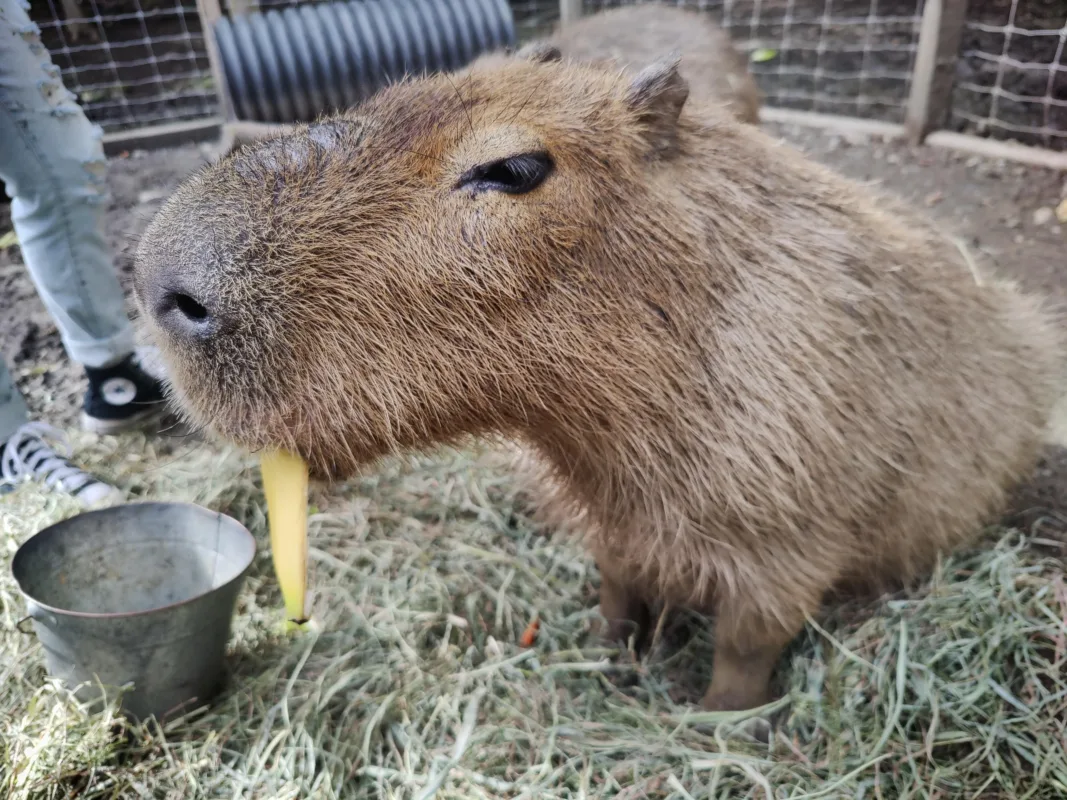
Capybaras are the biggest rodents alive, found in South America’s wetlands. They have webbed feet and live partly in water. Their diet is mostly high-fiber and low-calorie foods like grasses and aquatic plants. But, can they have bananas as a special treat? Key Takeaways Capybaras are specialized grazers, with grasses and sedges making up 70% […]