
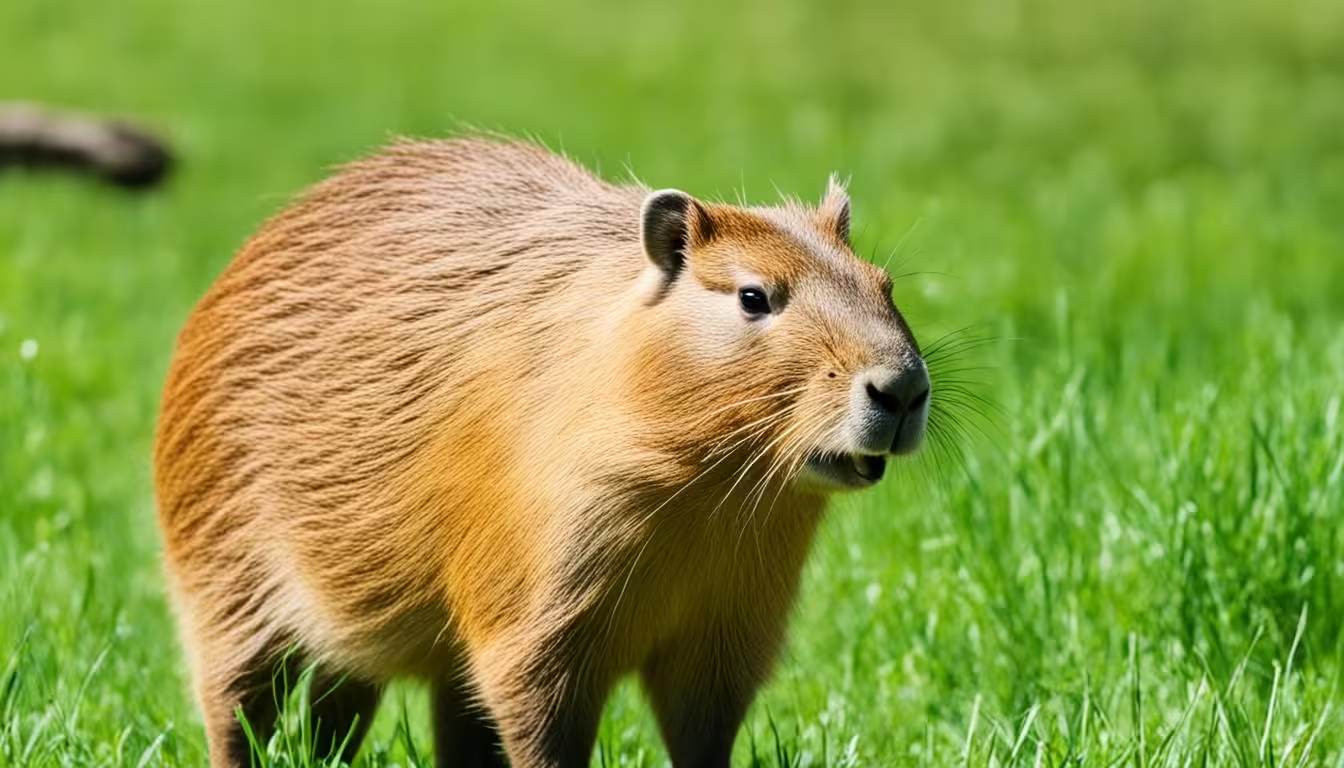
Capybaras are often seen as friendly and social. But it’s important to know about their risks and safety. This article will look into whether capybaras can be harmful, their defense strategies, and how they interact with humans. By the end, you’ll know how to stay safe around these amazing animals. Key Takeaways Capybaras are seen […]
Tag Archives: Capybaras
10
Nov
Nov
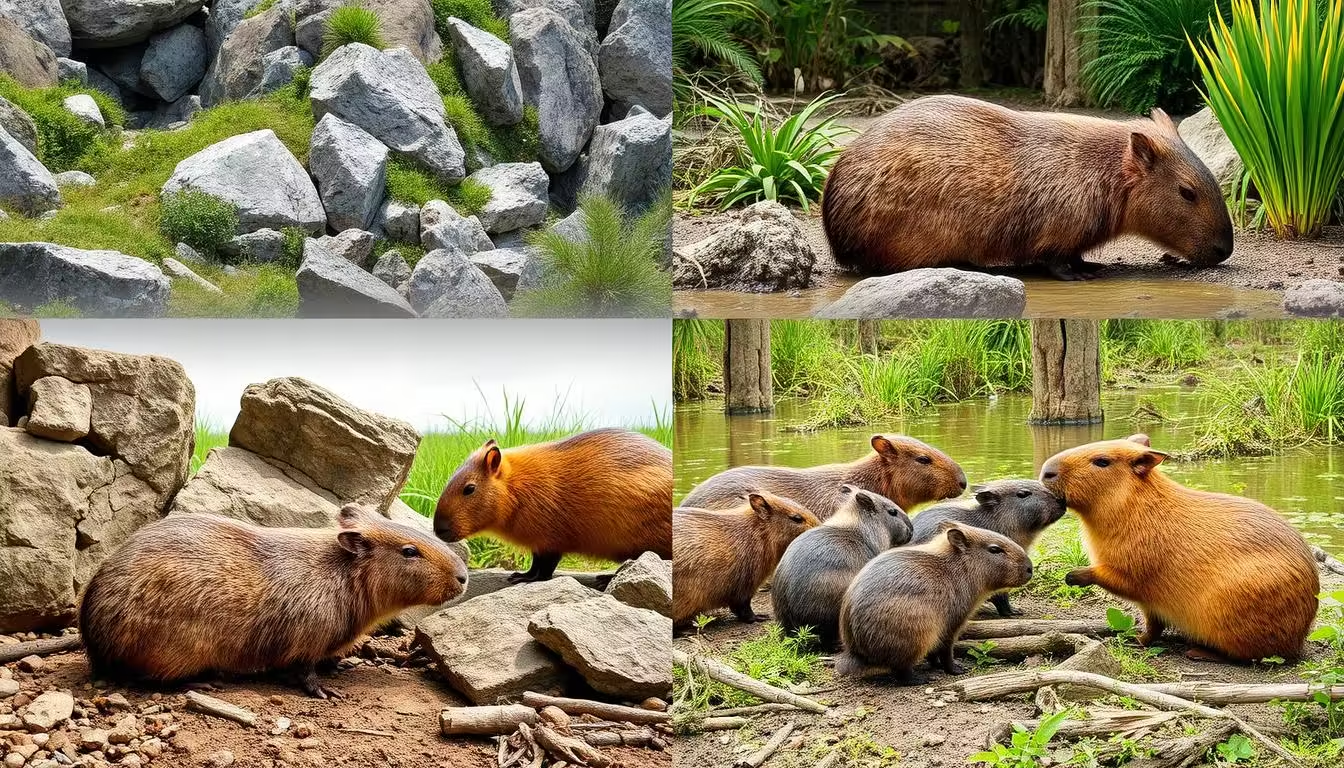
Rock cavies and capybaras belong to the Caviidae family and are found in South America. Capybaras are the biggest rodents alive, while rock cavies are smaller. They live in different places, like savannas and forests, and are often near water. These rodents are key to their habitats. They have special traits that make them stand […]
04
Nov
Nov
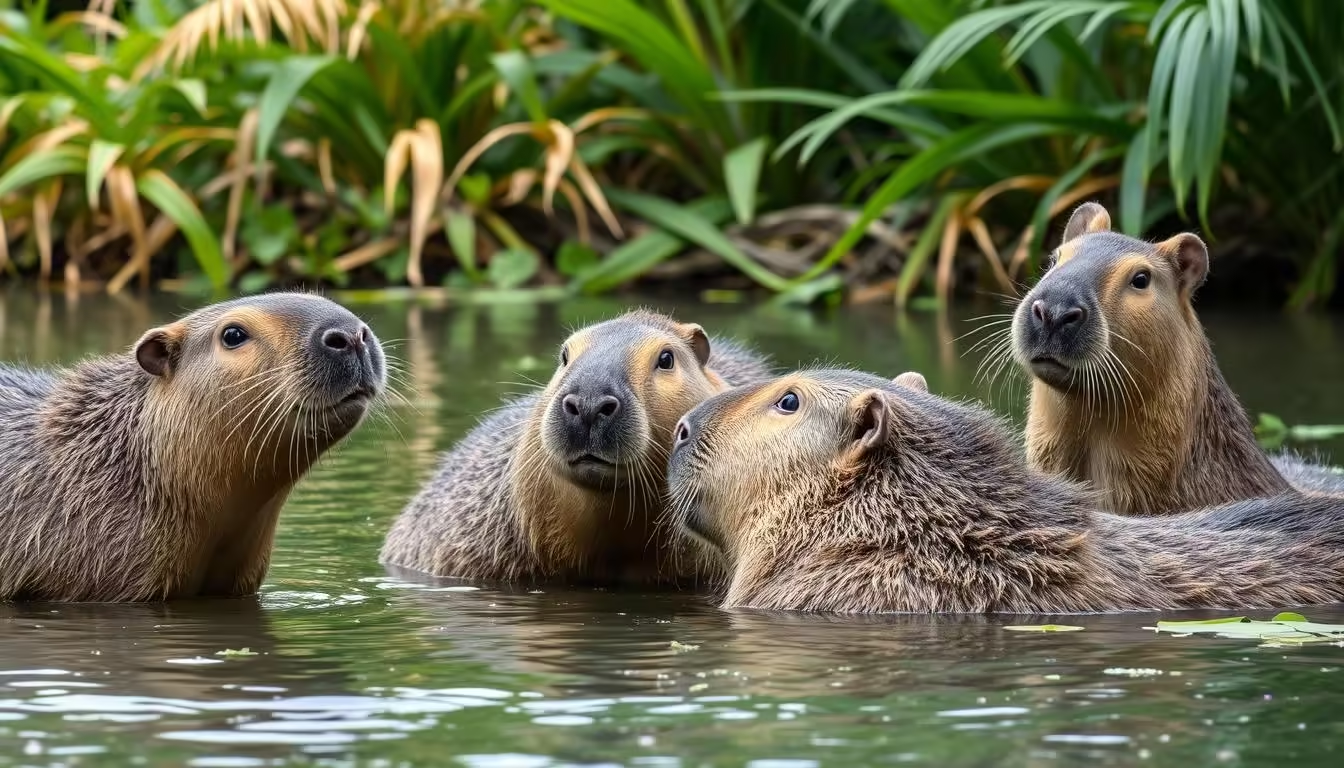
Capybaras have unique ways to communicate. They use sounds, body language, and gestures to talk to each other. Knowing how they communicate helps us understand their social lives, how to protect them, and their behavior. Capybaras make many different sounds, like high-pitched whistles and low-pitched grunts. Each sound means something different. They use these sounds […]

02
Nov
Nov
Capybaras size of these groups changes based on where they live and how many there are. Their social bonds are key to their survival. They touch, groom, scent mark, and vocalize to stay connected. This connection might help them live longer. Key Takeaways Capybaras are highly social animals that live in groups ranging from 6 […]

21
Oct
Oct
Capybaras eat mostly grasses, water plants, veggies, and fruits. It’s important to know what foods are good and which to avoid. Many wonder if capybaras can eat rice. As a pet owner, knowing your capybara’s nutritional needs is crucial. Learning about capybara nutrition helps you feed them right, keeping them healthy. Key Takeaways Capybaras are […]
20
Oct
Oct
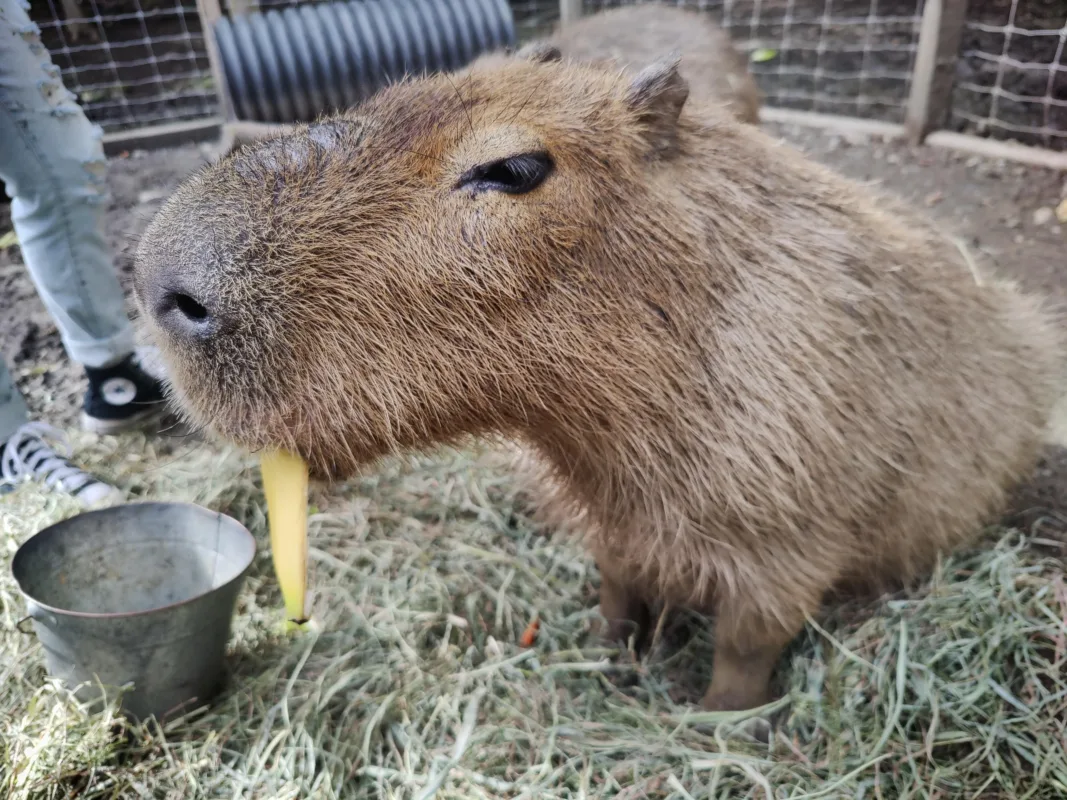
Capybaras are the biggest rodents alive, found in South America’s wetlands. They have webbed feet and live partly in water. Their diet is mostly high-fiber and low-calorie foods like grasses and aquatic plants. But, can they have bananas as a special treat? Key Takeaways Capybaras are specialized grazers, with grasses and sedges making up 70% […]
- 1
- 2